
Galatasaray vs Fenerbahce Tickets
Galatasaray vs Fenerbahçe is the Intercontinental Derby, the Istanbul derby where Europe-side identity meets Asian-side pride. Long before the whistle, it is already alive in family stories, schoolyard arguments, workplace jokes and neighbourhood colours. People searching for galatasaray vs fenerbahce tickets are not just looking for a seat at a game. They are stepping toward one of football’s most emotionally charged rivalries, where the Bosphorus is more than water between two shores. It is a line of belonging.
Why Galatasaray and Fenerbahçe clash
The roots of Galatasaray go back to 1905 and Galatasaray High School, giving the club a European-side Istanbul identity tied to education, tradition and a culture looking outward. Fenerbahçe was founded in 1907 in Kadıköy, where early football life grew around Kuşdili Meadow and Papazın Çayırı. That origin gave the Yellow Canaries a fierce Asian-side character, built on neighbourhood pride and a deep sense of home territory.
The first meeting came on 17 January 1909 at Papazın Çayırı in Kadıköy. At the time, it was a competitive local contest. Over the decades, it became the starting point of the Galatasaray Fenerbahçe rivalry: a story passed down through generations, sharpened by geography and memory. Whenever one side crosses the Bosphorus to face the other, the occasion feels like a challenge issued across continents.
The rivalry has sometimes carried class perceptions, especially in older stories about European side vs Asian side identities. But it should never be reduced to religion, ethnicity or one simple social divide. Support now cuts across regions, backgrounds and families. That is part of the tension. This is not only one group against another; it can split dinner tables, friendship circles and entire households.
Galatasaray and Fenerbahçe in the stands
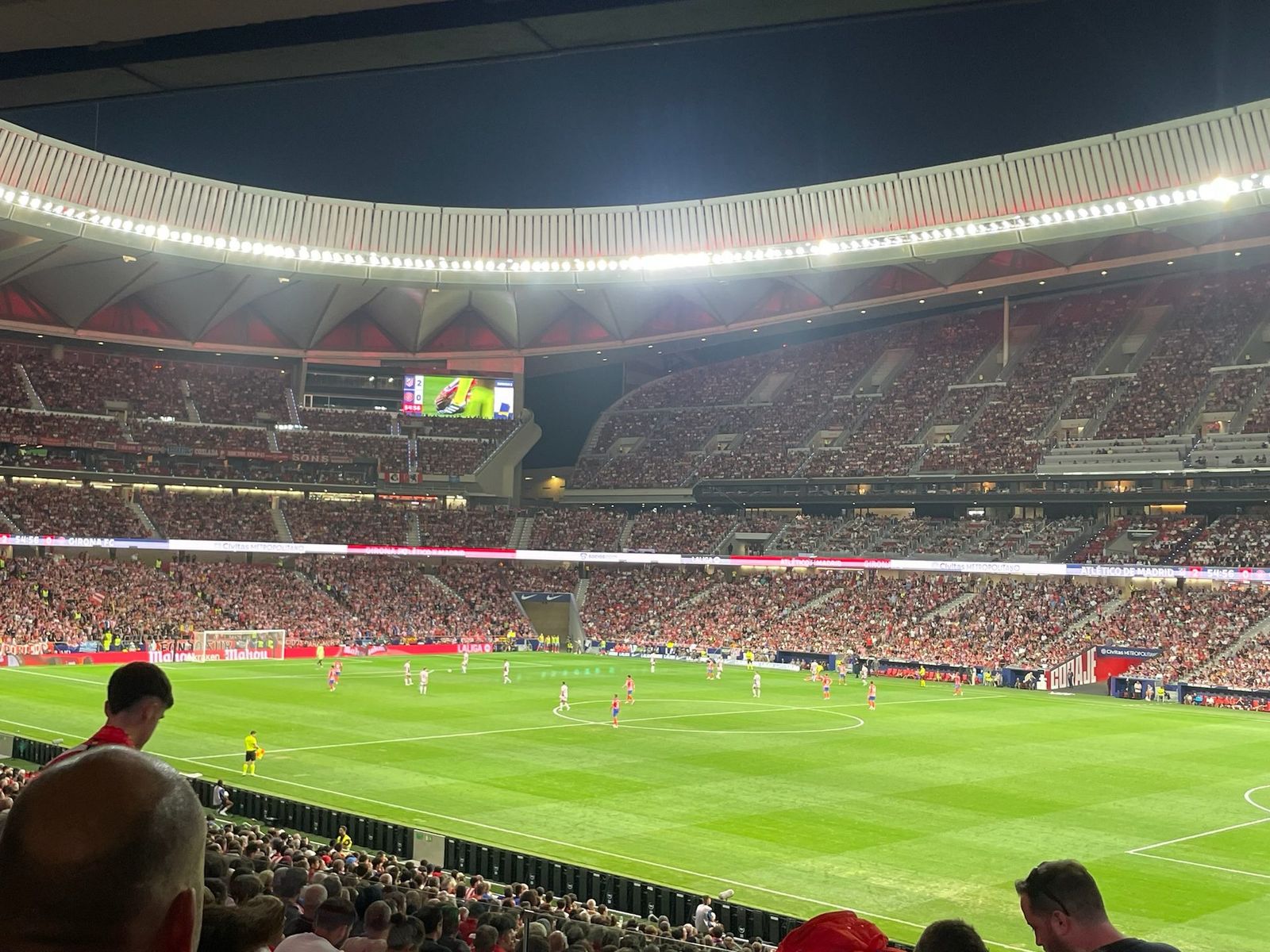
The Galatasaray Fenerbahçe atmosphere is often described as a battle of the crowds as much as the players. Giant tifos rise. Drums roll. Whistles cut through the air. Chants bounce from concrete to sky. At Galatasaray, the red and yellow colours, the “Cim Bom” chants and the old “Welcome to Hell” reputation have shaped an image of a ground that tries to swallow the visitor whole, especially at Türk Telekom Stadium.
In Kadıköy, Şükrü Saracoğlu Stadium carries its own fortress feeling. Yellow and navy fill the arena with a sense that every corner belongs to Fenerbahçe. The noise is not background decoration. It presses down on the evening, shaping the rhythm of the contest and turning every clearance, foul and chance into a collective release.
- For Galatasaray followers, victory in Kadıköy can feel like planting a flag on forbidden ground.
- For Fenerbahçe supporters, defending Kadıköy is about pride as much as points.
- For neutrals, the appeal lies in seeing how colour, sound and inherited loyalty turn a sporting event into a living social drama.
The emotion is heavy, and there is usually a visible security presence around this fixture. That is part of the reality, not something to romanticise. The power of the Istanbul derby comes from passion, pressure and identity, not disorder.
Galatasaray vs Fenerbahçe defining moments
Some moments still shape the way the rivalry is spoken about. On 23 February 1934 at Taksim Stadium, a match remembered for the Taksim Stadium brawl marked a rupture between earlier friendly competition and lasting hostility. Players and spectators became involved, the game was abandoned, and 17 players were punished afterward. It remains one of the dark turning points in Turkish football rivalry history.
Then came 24 April 1996 at Şükrü Saracoğlu Stadium. After Galatasaray’s Turkish Cup success in Kadıköy, Graeme Souness planted a Galatasaray flag in the centre circle. The Souness flag became an image of defiance for one side and one of the great provocations for the other. It is still part of the emotional vocabulary of this derby.
Another Kadıköy night, 12 May 2012, showed how place can make even a tense, low-scoring occasion unforgettable, as Galatasaray secured the title at Fenerbahçe’s home. That is why the Intercontinental Derby endures. It is not only about what happens on the grass. It is about where it happens, who is watching, and what the result means the next morning.