
Leeds vs Manchester United Tickets
Leeds vs Manchester United billetter

 Oct 17, 12:30
Leeds vs Manchester United tickets open the gate to one of English football’s fiercest cross-Pennine grudges. This is Yorkshire white rose against Lancashire red rose, Leeds defiance against Manchester United power. It is not a rivalry that needs constant meetings to stay alive. It survives in songs, family stories, old wounds and the kind of inherited dislike that passes from one generation to the next. Whether the game is at Elland Road or Old Trafford with Manchester United, the feeling is sharper than a normal league afternoon.
Why Leeds and Manchester United collide
The roots go deeper than football. The great derbies and rivalries of England often come from place, pride and old borders, and this one carries the weight of Yorkshire vs Lancashire. Leeds is tied to the white rose, Manchester to the red rose. Between them sit the Pennines, not just hills on a map but a line between two proud northern identities.
The Industrial Revolution added another layer. Leeds grew through wool, cloth and manufacturing. Manchester became a symbol of cotton and textile power. When Leeds United met Manchester United for the first time on 20 January 1923, the result was a 0–0 draw at Old Trafford. The score was quiet. The story that followed was anything but.
The modern Manchester United Leeds rivalry hardened in the Don Revie era, especially through the 1960s and 1970s. Leeds were tough, awkward, brilliant and hated in equal measure. Manchester United represented glamour, size and national attention. Later, transfers made the bitterness sting in a different way. Eric Cantona, Rio Ferdinand and Alan Smith all crossed from Leeds to Manchester United, each move reopening the same raw argument about loyalty, ambition and betrayal.
When Manchester United meets Leeds
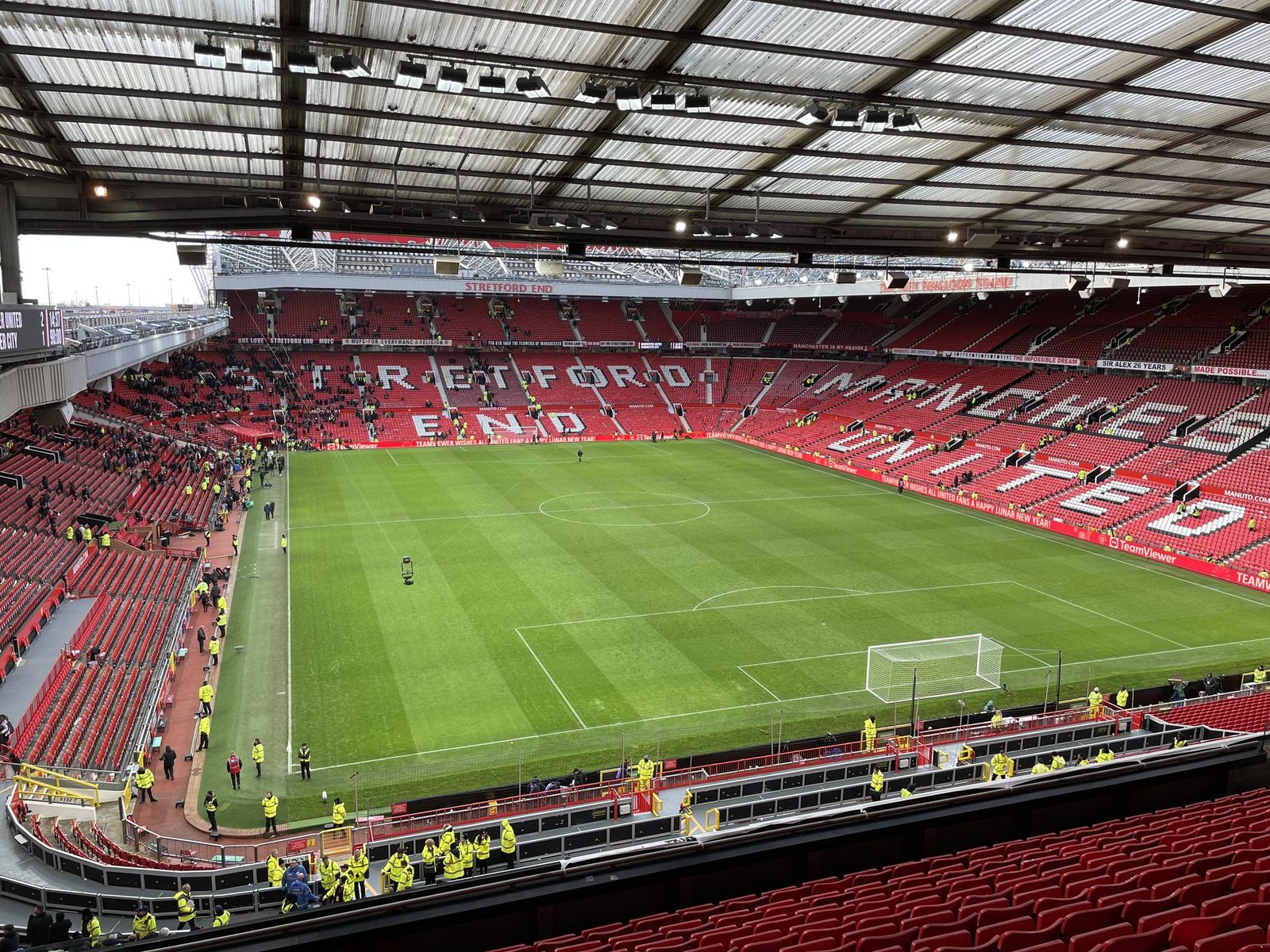
At Old Trafford, the visit of Leeds changes the air. The noise feels older, meaner, more personal. Manchester United supporters have long used anti-Leeds chants, including “We all hate Leeds scum”, even during years when the clubs rarely shared a division. The insult has travelled both ways too, a sign of how tribal and unpolished this fixture remains.
Leeds answer with “Marching On Together”, written in 1972 and sung like a vow. It rolls out as unity, pride and defiance, especially when the Yorkshire following is packed together and fully aware of what the day represents. For Leeds, it is a chance to humble the giant from across the Pennines. For Manchester United, it is a chance to beat a historically hated enemy and remind everyone of their power.
That is why Manchester United vs Leeds tickets carry a different pull from many fixtures in the Premier League. The game is loaded before the first whistle. Every tackle is cheered a little louder. Every mistake is mocked a little harder. Every goal feels like it belongs to decades of terrace memory.
Leeds and Manchester United cup scars
The FA Cup has given this rivalry some of its deepest cuts. The 1965 semi-final at Hillsborough is often treated as the great ignition point: angry, physical and remembered with a battlefield mood. The replay at the City Ground was settled by Billy Bremner, sending Leeds to Wembley and helping define the Revie-era hostility.
Five years later came another brutal chapter: the 1970 FA Cup semi-final trilogy. Three games in twelve days, played at Hillsborough, Villa Park and Burnden Park. The first two ended goalless, full of tension and stubborn resistance. Leeds eventually progressed, with Bremner again tied to the decisive moment. It fixed the image of this meeting as attrition, nerve and mutual resentment.
Then came 3 January 2010 at Old Trafford. Leeds were in the third tier; Manchester United were Premier League champions. Jermaine Beckford scored in the 19th minute, and Leeds knocked their old enemy out on their own ground. It was a reminder that status can change, divisions can separate clubs, but the Leeds vs Man United rivalry still knows how to burn.