
Benfica vs Porto Tickets
Benfica vs Porto billetter



 28-02-2027
Red against blue. Eagle against dragon. Capital power against northern defiance. O Clássico is the fixture where Portuguese football seems to hold its breath, then release everything at once: pride, noise, memory, resentment, joy and tension. Anyone looking for benfica vs porto tickets is not just choosing a big game. We are stepping into one of the most emotionally loaded rivalries in Europe, where every chant feels older than the evening itself. With our experience of helping over 50,000 travelers, we know this is the kind of football trip that leaves a lasting mark, and every booking comes with ticket guarantee.
Why Benfica and Porto clash
The roots of the Benfica and FC Porto rivalry go far beyond league tables. This is geography, identity and power dressed in football colours. Benfica came to represent the capital, mass support and the pull of national institutions. Porto became the voice of the north, proud and resistant to what many supporters saw as Lisbon centralism.
The first meetings already carried a certain edge. In 1912, Benfica travelled north and won 8–2. Later that same year, Porto visited Lisbon and lost 5–1. At the time, the game was more organised in the capital, where competitions dated back to 1906, while Porto’s first tournament only appeared in 1911. From those early imbalances, the story slowly grew into something bigger than sport.
From the 1980s onward, the emotional temperature rose sharply, especially as Porto became more confrontational under Jorge Nuno Pinto da Costa. In supporter culture, Benfica became the symbolic enemy of the north, a theme that still appears in chants, banners and ultra identity. That is why the Primeira Liga feels different when this game appears on the calendar. O Clássico in Portugal is not just played. It is carried, argued over and remembered.
Benfica and Porto stadium fire
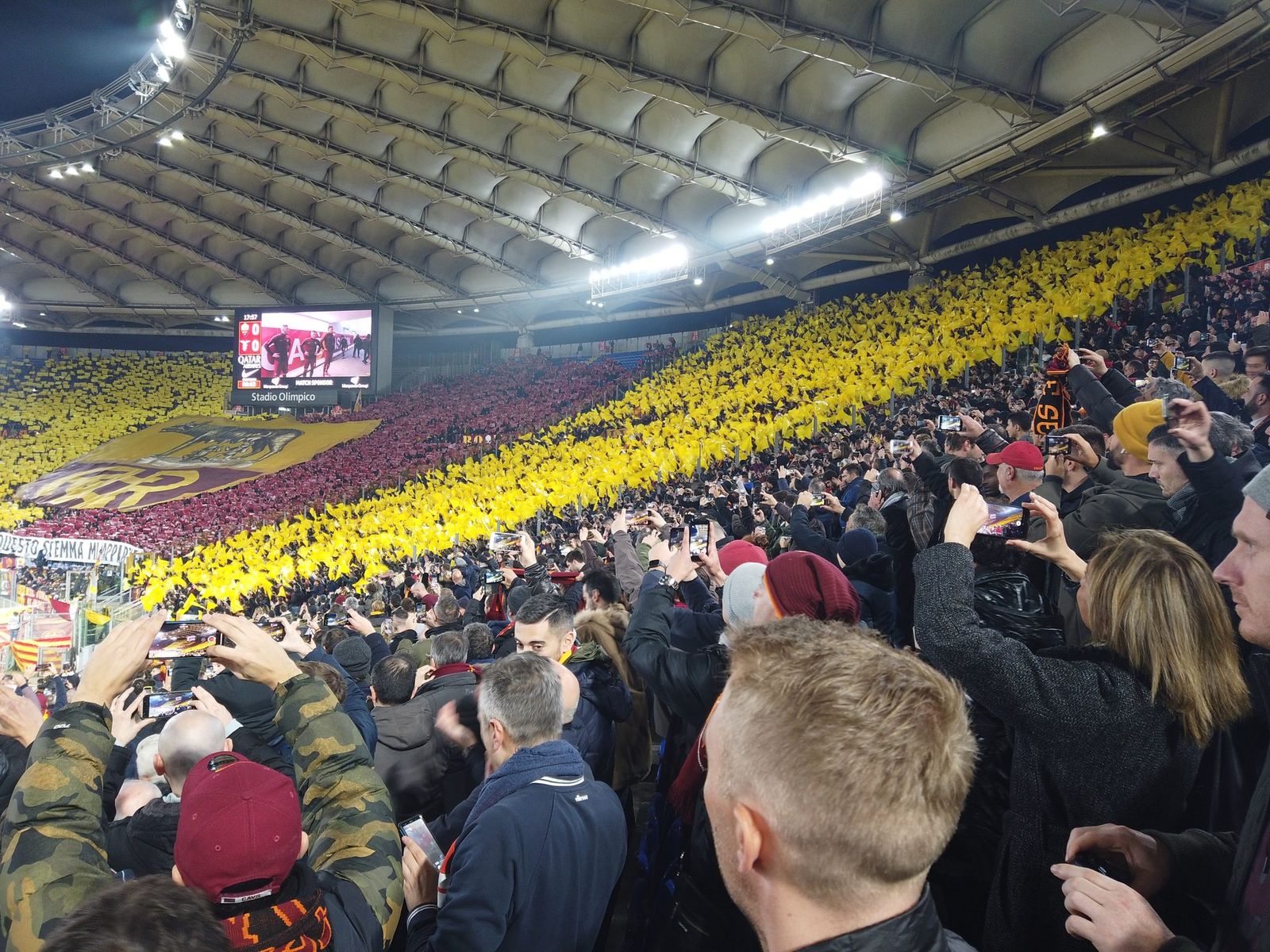
At Estádio da Luz, a Benfica night against Porto can feel like a red wave tightening around the pitch. The idea of the Inferno da Luz is not just a nickname. It is the sound of thousands singing “Ser Benfiquista”, clapping in rhythm, lifting colours and turning the bowl into something ceremonial. Before kick-off, the eagle Vitória gliding through the air and landing on the crest gives the evening a theatrical charge.
When Porto arrive there, they arrive as the northern invader. In one famous Clássico, more than 58,000 Benfica fans tried to drown out around 3,000 Porto supporters, who kept singing in a hostile setting. That contrast is part of the pull: one side trying to suffocate the other with red noise, the other answering with defiance.
At Estádio do Dragão, the feeling turns darker and sharper. Dragon symbolism, northern pride and a fortress mentality shape the whole scene. Organised groups such as Super Dragões and Colectivo Ultras 95 have helped make Benfica a central target in songs, banners and choreographies. Fire-breathing dragon tifos before Benfica games turn the meeting into a visual battle as much as a sporting one. Among Europe’s great derbies and rivalries, this one has its own language of smoke, colour and stubborn identity.
Benfica-Porto moments still echo
Some Clássico scenes never fade. In 1987, at the old Estádio da Luz, Benfica beat Porto 3–1 in front of an estimated 135,000 spectators, one of the largest crowds in Portuguese football history. The vast old third tier, the pressure rolling down from every side, Rui Águas scoring a hat-trick: for Benfica followers, it became folklore.
Porto have their own images carved into the rivalry. In 2011, they won 2–1 at Estádio da Luz and secured the league title on enemy ground, with goals reported from Fredy Guarín and Hulk. After the final whistle, the lights went out, the sprinklers came on, and Porto players celebrated in darkness and water. It remains one of the most vivid pictures of triumph in hostile territory.
Then came 2013 at Estádio do Dragão: Kelvin’s injury-time winner, remembered simply as o minuto 92. One late kick pushed Porto above Benfica with one game left and left Jorge Jesus on his knees. Ecstasy at one end, trauma at the other, an entire season’s emotion compressed into seconds. That is why this fixture belongs among the true clashes of the titans: not because it is loud for one night, but because its echoes last for generations.