
Barcelona vs Atletico Madrid Tickets
FC Barcelona vs Atlético Madrid billetter
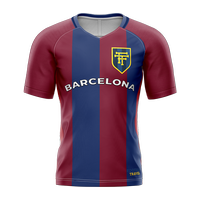

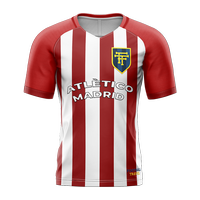
 06-02-2027
Barcelona against Atlético Madrid has never needed to be a local derby to feel personal. It is a collision of two powerful football identities: Barça’s Catalan, global, civic presence against Atlético’s red-and-white culture of defiance, endurance and refusal to bend. Fans searching for Barcelona vs Atlético Madrid tickets are not just looking for another La Liga game. They are stepping into a rivalry shaped by title drama, cup pain and two very different ideas of what a club can represent.
Why Barcelona and Atlético clash
The first known meeting between the sides took place on 8 January 1914 in Madrid, when Atlético were still known as Athletic Club de Madrid and closely linked to Athletic Club. There was no single founding grievance, no one spark that explains everything. The edge grew slowly, through repeated elite meetings, cup finals, title deciders and knockout nights where one club’s joy became the other’s scar.
FC Barcelona carry the weight of Catalan culture, civic symbolism and the famous idea of “més que un club.” Atlético, born from Basque students in Madrid before becoming a red-and-white institution of its own, built a different mythology: loyalty through suffering, pride in resistance, belief when logic says the door is closed. That contrast gives the fixture its pulse. Prestige versus disruption. Control versus chaos. Culés versus colchoneros.
The rivalry also sits on the wider Barcelona and Madrid axis, although it is less politically fixed than El Clásico. Against Atlético de Madrid, Barça are not facing the traditional establishment rival of Real Madrid. They face something more stubborn: a side whose identity has often been built around spoiling the expected story.
When the two colours meet
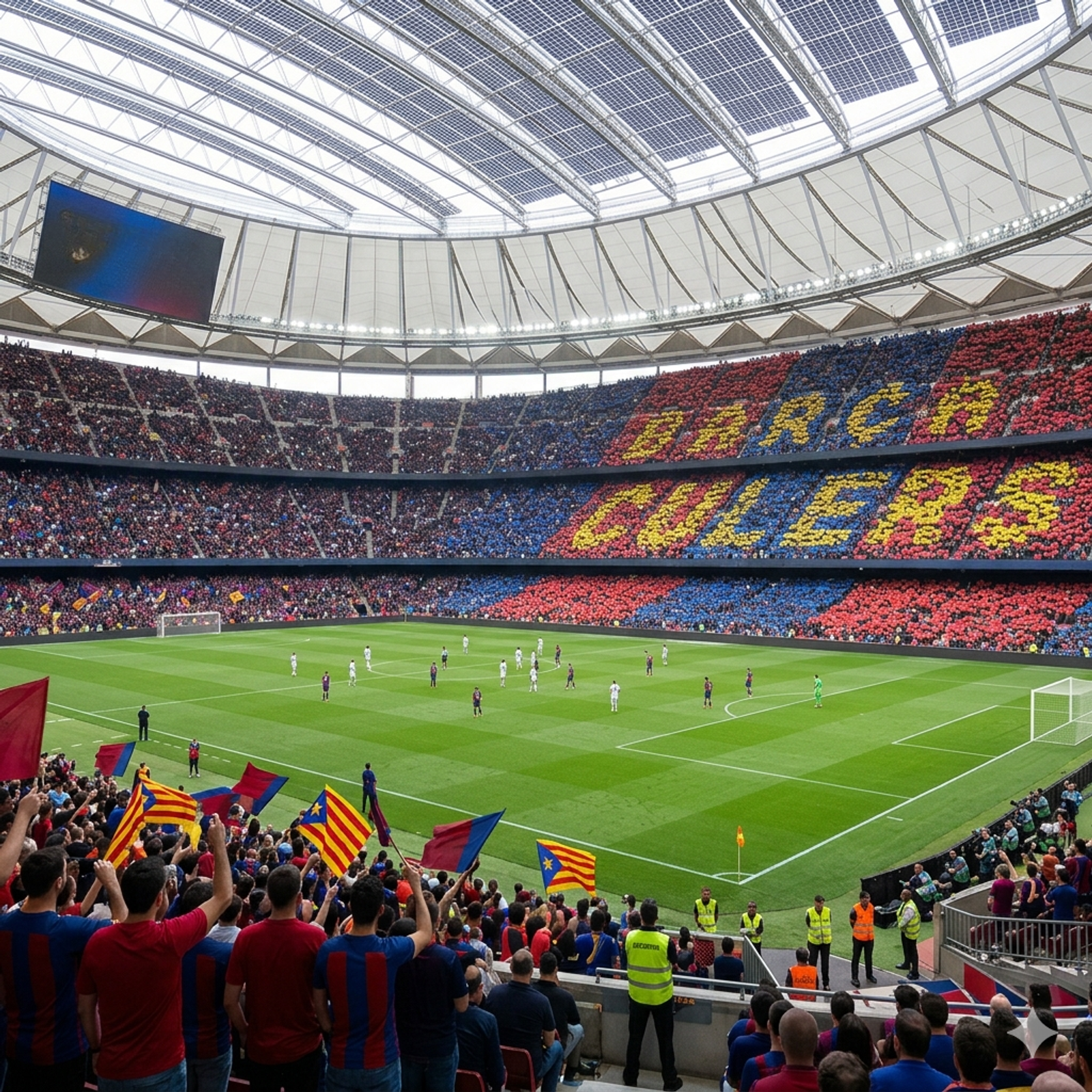
At Barcelona’s home, the occasion carries a grand, institutional feel. The “Cant del Barça,” composed in 1974 for the club’s 75th anniversary, rolls around the ground as a song of collective belonging under the blaugrana flag. It is not just noise; it is ritual, memory and identity moving through thousands of voices.
Atlético bring another rhythm. Their anthem, with “Atleti, Atleti, Atlético de Madrid” part of the official version since 1979, has a different emotional colour. The phrase “Nunca dejes de creer” — never stop believing — captures the club’s self-image: suffer, hold on, strike back, and never accept that the script is already written.
- Culés, or culers, takes its name from early Barcelona supporters at the Calle de la Industria ground, where people outside could see their backsides as they sat along the walls.
- Colchoneros comes from the red-and-white striped mattresses common in Spain after the Civil War, echoing Atlético’s famous colours.
That is why FC Barcelona vs Atlético Madrid feels so charged inside the arena. Barcelona supporters expect authority, rhythm and command. Atlético followers expect resistance, discomfort and the chance to turn a grand occasion into something tense and awkward. When this rivalry reaches the Camp Nou, the air often feels like it is waiting for one mistake, one roar, one sudden swing.
Moments that still shape the rivalry
The 1996 Copa del Rey final at La Romareda remains one of Atlético’s great statements. Milinko Pantić scored the decisive goal in extra time, in the 102nd minute, giving Atlético victory over Barcelona in Zaragoza. It became part of their historic double-winning season and proved, in the sharpest possible way, that they could hurt an established giant when silverware was on the line.
A year later, on 12 March 1997, the Copa del Rey quarter-final second leg at Camp Nou turned into one of the wildest chapters in the Barcelona vs Atlético Madrid history. Atlético built a stunning first-half advantage, with Pantić again central to the chaos. Then Barcelona surged back after the break, Ronaldo Nazário played a key role, and Juan Antonio Pizzi scored the late decisive goal. Shock became eruption.
Then came 17 May 2014, the final day of La Liga. Barcelona needed to win; Atlético needed to avoid defeat. Barça scored first, but Diego Godín’s second-half header changed everything. Atlético were crowned champions on Barcelona’s pitch, and the image of home supporters reportedly applauding them after the title was sealed still says everything about the respect inside this rivalry.