
Aston Villa vs Birmingham Tickets
The Second City derby is about Birmingham identity as much as ninety minutes of football. Aston Villa vs Birmingham tickets place you inside a local argument that has moved through families, schools, workplaces and neighbourhoods for generations. On one side, Aston Villa: heritage, honours, Villa Park tradition and the pride of north Birmingham. On the other, Birmingham City: the club with the city’s name, Small Heath roots and a loyalty sharpened by hard years. With only a few miles between them, the Aston Villa Birmingham rivalry is never distant. It is personal, constant and impossible to leave behind.
Why Aston Villa and Birmingham clash
The rivalry is known as the Second City derby because it asks a simple, loaded question: who truly speaks for Birmingham football? Villa were founded in 1874 in Aston, with support running deep through north-side areas such as Erdington, Kingstanding, Perry Barr and Sutton Coldfield. Birmingham City began in 1875 as Small Heath Alliance, tied to Small Heath, Bordesley and east Birmingham.
The first meeting is commonly dated to 27 September 1879 at Muntz Street, where Small Heath won. Even the early stories have bite. Villa players reportedly mocked the pitch as fit only for “pot-holing”, a small insult that still hints at the status tension between the clubs: Villa looking down from a place of prestige, Blues answering with defiance from the ground up.
Villa supporters point to age, trophies, European nights and Midlands dominance. Blues followers point to the badge carrying Birmingham’s name, to working-class resilience, and to a devotion that does not depend on constant success. In local folklore, Washwood Heath Road has often been spoken of as a symbolic boundary. Not an official border, but the kind of line people feel in their bones.
This is not mainly a sectarian or party-political feud. It is neighbourhood, family loyalty, class perception and football legitimacy, all packed into one fierce local dispute.
When Birmingham face Aston Villa
Because the clubs are so close, the game begins long before kick-off and lingers long after the final whistle. Supporters live side by side. They share streets, schools and workplaces. Bragging rights are not abstract here; they wait for you on Monday morning.
At St Andrew’s, the derby carries a raw, street-level edge. On major derby days, heavy policing and away escorts have often shaped the scene around the ground. Coventry Road has its own imagery: police vans, separated routes, the feeling of “Blues to the left, Villa to the right.” The slogan “Our City is Blue” is not just a chant. It is a claim.
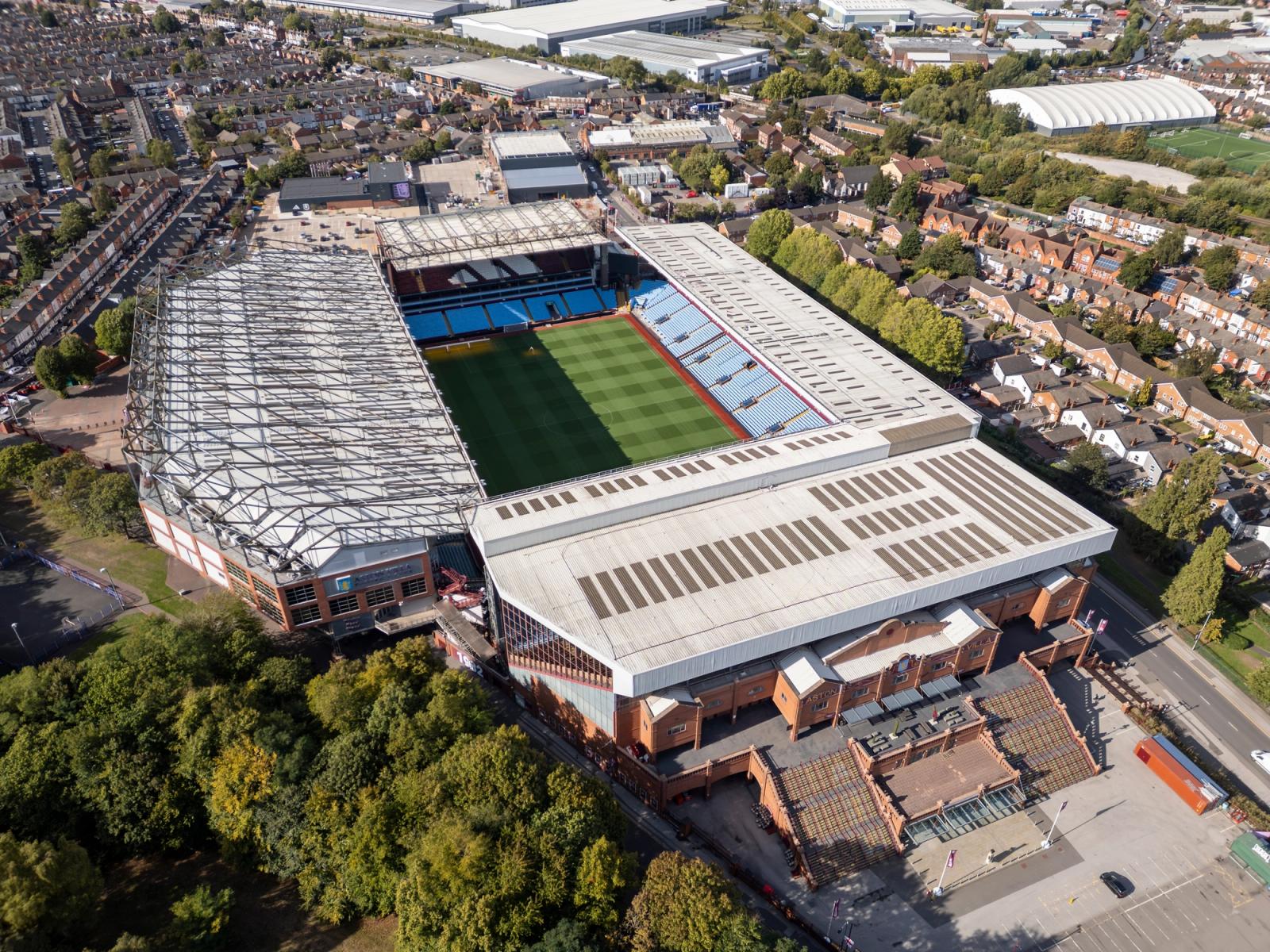
At Villa Park, the scale of the Holte End gives the rivalry a different kind of force. Villa fans answer with history, honours and the sense that their club stands as the older power in the region. “Small Heath” is used as a put-down from one side, while Blues reclaim it as origin pride from the other. When “Keep Right On” rises from the Birmingham end, it sounds less like a song and more like a statement of survival.
- The Second City derby is often remembered less for flowing football than for emotional voltage: every clearance, corner and mistake feels loaded because local humiliation is always at stake.
Aston Villa and Birmingham folklore
The rivalry’s memory bank is full of moments that still sting. The 1963 Football League Cup final remains one of the sharpest. Played over two legs, first at St Andrew’s and then at Villa Park, it ended with Birmingham City beating Aston Villa to claim their first major trophy. For Blues supporters, winning silverware directly against Villa gave the triumph an extra edge that has never faded.
Then came 16 September 2002: the Enckelman derby. It was the first Premier League meeting between the clubs, played at St Andrew’s, and Birmingham won on a night that became national football folklore. Olof Mellberg’s throw-in back towards Villa goalkeeper Peter Enckelman rolled under his foot and into the net. The goal stood after the referee judged Enckelman had touched the ball. For Blues, comic legend. For Villa, a recurring nightmare.
The 2010 League Cup quarter-final added another volatile chapter, with Birmingham winning late through Nikola Zigic before combustible scenes after the game. These stories are why the Aston Villa Birmingham derby carries such weight. It is history, pride and old wounds, all waiting to erupt again.