
Guide to Football Clubs in Birmingham: A Traveler’s Inspiration
Blue shirts drift out of Digbeth and up toward Cattell Road, past old factory walls, railway arches and street art that seems to glow a little brighter as the floodlights come on. Birmingham is not a polished postcard football city. It is brickwork, music venues, ring roads, curry steam, local pride and songs that carry down compact streets. For travellers still choosing where to go next, the football clubs in Birmingham offer something raw and properly English: a football trip to Birmingham where the game is only part of the story. There is the pie inside St. Andrew’s, the walk back through the night air, then a balti around Sparkbrook or Ladypool Road. From our Football Travel perspective, shaped by helping more than 50,000 travellers since 2008, this is a city for people who want the real thing rather than a glossy weekend built only around the ninety minutes.
Choose your Birmingham football side
If you want grit, noise and a strong local identity, start with Birmingham City. The club began as Small Heath Alliance in 1875, and that name still feels close to the streets around the ground. St. Andrew’s @ Knighthead Park sits in Small Heath and Bordesley, with Cattell Road filling slowly before kick-off and “Keep Right On” rolling around the stands. It is blue-collar in the best sense: direct, loyal, sometimes bruised, never bland.
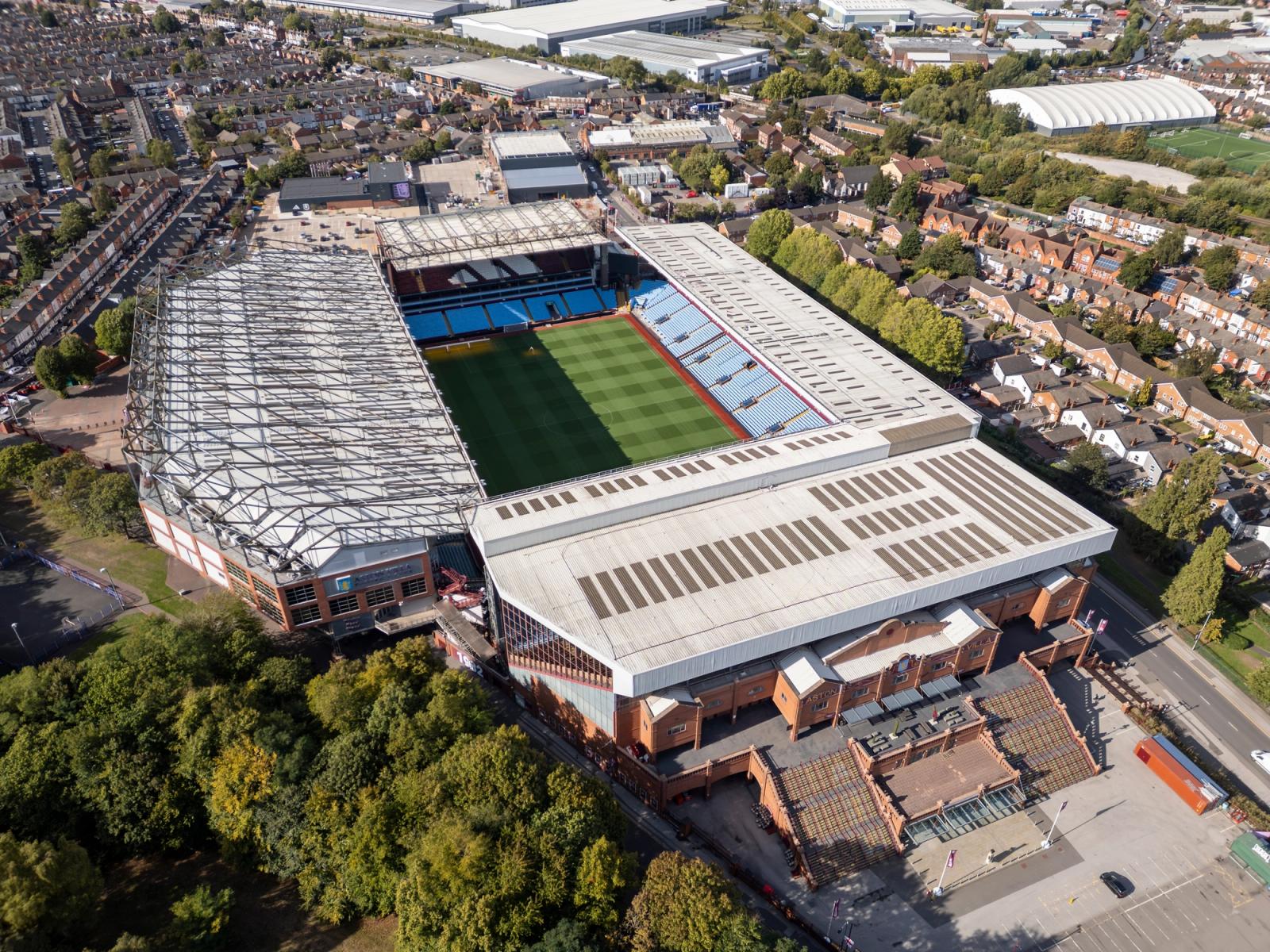
Across the city, Aston Villa bring a different rhythm. Founded in 1874 and based at Villa Park since 1897, Villa carry the claret-and-blue colours with a bigger international profile. If your group includes someone who wants a famous Premier League setting, Villa Park is an easy answer, with grand old English football energy and a sense of occasion around Aston.
There are other angles too. Solihull Moors give you a smaller lower-league afternoon near Birmingham Airport, where the edges feel closer and the day is pleasantly unfussy. For a wider West Midlands football journey, West Bromwich Albion sit just beyond the city, while Wolverhampton Wanderers add another layer of regional rivalry and railway-line groundhopping. That mix is what makes Birmingham football culture so good for curious travellers.
Pick the right weekend
Timing changes everything. A regular Saturday can be beautifully simple: arrive in the centre, drift east, find a bar in Digbeth, then follow the shirts toward Small Heath. An evening game is different. The air sharpens, the floodlights sit low over the roofs, and the sound from Tilton Road seems to build before you even reach the turnstiles. For many visitors, a Birmingham City home game under the lights is the memory that sticks.
Then there is the Second City derby: Birmingham City v Aston Villa. It is one of England’s most charged city rivalries, and it should be approached with respect. Neutrals are better off staying central, avoiding rival colours in sensitive areas and arriving early, especially around busy roads and narrow streets. If you are comparing city derbies, Villa in the derby role gives the story its other half.
There is also a “see it before it changes” feeling around St. Andrew’s. The ground opened on Boxing Day 1906, and its corners and sightlines still carry that older English texture. Plans for the future 62,000-capacity “Powerhouse” venue, with industrial chimney-style design references, make the current home feel even more worth visiting now. If you like Midlands football weekends with a similar urban edge, Nottingham Forest offers a useful comparison, but Birmingham has its own heavier, steelier mood.
Follow the walk to St. Andrew’s
Start in Digbeth if you want the day to unfold properly. The Old Crown on Digbeth High Street, often described as Birmingham’s oldest pub, gives you timber beams and a first drink with history in the walls. The Rainbow has more music-venue energy and a visible Blues presence, while The Anchor on Bradford Street works well for real ale before the 20 to 25-minute walk east.
The route is not grand, and that is the point. You pass arches, traffic, takeaways, murals and pockets of fans gathering at corners. As you get closer to Small Heath, The Roost on Cattell Road appears with its long link to Blues supporters. It is the kind of place that tells you more than a guidebook can: Jaykae famously took Ed Sheeran there, and Tom Brady visited after investing in the club. For anyone weighing up both city identities, Villa Park in Aston feels broader and more polished, while the walk to Blues is tighter, louder and more street-level.
Inside, keep it simple. A hot pie, a plastic cup, seats filling around you, and the Kop finding its voice. After the final whistle, the food story moves south and east. Sparkbrook and Ladypool Road are ideal for a late balti, where windows steam up and groups replay the game over metal dishes and soft bread. A Birmingham football trip should leave you with that mix: concrete underfoot, spice in the air, song still stuck in your head.
Plan it without the stress
The city centre is the easiest base, especially around Birmingham New Street, Moor Street and Snow Hill. You have hotels, rail links, late-night food and quick routes in every direction. Digbeth suits travellers who want bars, music and a natural walking line toward Bordesley. From New Street, Moor Street or Snow Hill, allow roughly 20 to 30 minutes on foot to Cattell Road, Birmingham, B9 4RL. Bus 17 or 60 also runs from central Birmingham, and Bordesley station is around 10 minutes away when services are operating.
For entry, stick to official channels or trusted football trip packages. Our packages combine flight, hotel and official match ticket, and the ticket guarantee is there to make the journey feel secure rather than uncertain. Give yourself extra time for derby fixtures, evening kick-offs and the busy flow around Coventry Road and the A45. If you are choosing between the football clubs in Birmingham and a bigger global-club weekend, Manchester United is the obvious contrast, while Liverpool FC gives you another classic English football city. Birmingham, though, gives you something more lived-in: blue shirts in the dusk, railway arches behind you, and a ground that still feels stitched into its streets.