
Football Trips to Glasgow
Football Trips to Glasgow

 17-10-2026
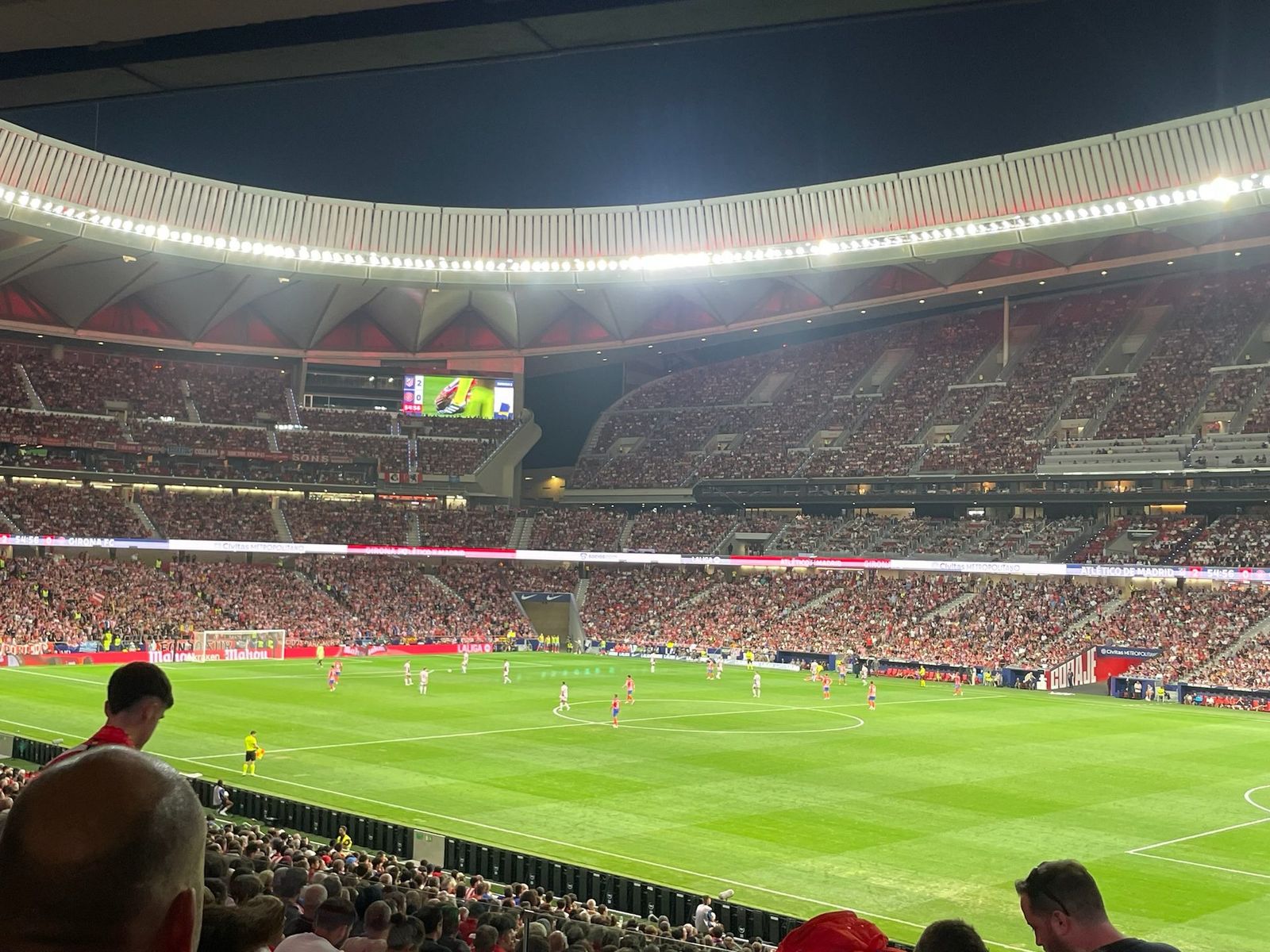
Scarves flash above the Clyde long before the first whistle. Glasgow has lived with football noise since 30 November 1872, when Scotland played England in Partick in the first official men’s international, watched by an estimated 2,500–4,000 people who paid one shilling. Today, we build football trips to Glasgow around songs, street sellers, pies, Bovril and two iconic homes: Celtic Park and Ibrox.
Glasgow: The Two-Ground Pilgrimage
A football city break in Glasgow has a rhythm of its own. The day starts in crowded streets, rolls through bars where songs leak onto the pavement, then gathers pace as colours split across the city. With Football Travel, you do not piece the journey together yourself. We arrange flights, carefully selected hotels close to the action and official match tickets, with ticket guarantee included. Since 2008, we have sent more than 50,000 travelers to the game’s great stages.
For the wider league picture, our Scottish Premiership trips show why this country punches so loudly above its size. For this particular weekend, our packages to Glasgow place the city’s football story at the centre, not the travel admin.
Celtic Park: Paradise in the East End
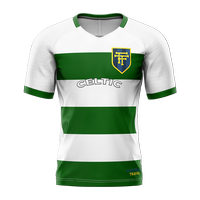
Celtic Park is Scotland’s biggest club ground, holding 60,395, and supporters know it simply as Paradise. The approach matters: Gallowgate, London Road, High Street, Saltmarket and The Barras form a living corridor of green-and-white scarves, street sellers and rising voices. The Celtic Way pulls everyone toward the entrances, past statues of Brother Walfrid, Jock Stein, Jimmy Johnstone and Billy McNeill, before “You’ll Never Walk Alone” fills the air.
A trip to Celtic Park carries the Lisbon Lions story in every corner: local pride, European glory and family memory stitched together. On bigger nights, the club’s continental identity makes our Champions League packages especially powerful when Glasgow turns cold, bright and loud.
- Grace’s and McChuill’s add music, chatter and early songs without turning the day into a checklist.
- 226 Gallowgate and The Tolbooth sit naturally on the East End route, where the crowd thickens by the minute.
- The best part is the final walk: scarves lifted, voices cracking, and Paradise suddenly towering ahead.
Ibrox: Red Brick and Blue Tradition
Ibrox offers the counterpoint: red brick, symmetry and old football grandeur. The Bill Struth Main Stand on Edmiston Drive was designed by Archibald Leitch in the 1920s and is Category B listed. With a capacity in excess of 51,500, the ground still feels imposing when the roads around Ibrox Subway Station, Copland Road, Paisley Road West and Edmiston Drive begin to swell.
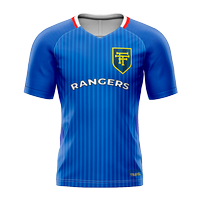
Our Rangers matchday packages put you into that blue current, from The Louden Tavern opposite the subway to the Edmiston House Fan Zone. A modern-era attendance of 51,092 against Hearts, the highest at Ibrox since John Greig’s testimonial in 1978, showed the place at full volume again. With the expanded singing section, tifos and the chant of “Full house. Full voice. Full ninety.”, a football trip to Ibrox feels ceremonial.
The Old Firm at Full Volume
The Old Firm, also known as the Glasgow derby, is the peak fixture. Celtic v Rangers and Rangers v Celtic change the city long before kick-off: routes are planned, colours appear early, drums echo through streets and every bar seems to hum with anticipation. Both clubs’ record crowds are tied to this rivalry, which says everything about its scale.
Ibrox drew 118,567 for Rangers v Celtic in January 1939. Celtic Park’s official Old Firm record is 83,500 from 1938, with estimates above 90,000. This is a premium football trip because demand is fierce, but the reward is rare: history, identity and sound colliding for ninety minutes. Our derby football trips are built for days like this, where arriving early, following the right supporter areas and embracing the full build-up are part of the story.
Beyond the Derby Weekend
Glasgow is not only about the biggest rivalry. A Scottish Premiership football trip can be just as vivid when other travelling supports come to Celtic Park or Ibrox. The rituals stay beautifully simple: a hot pie, Bovril steam, rain on jackets, packed routes to the ground and songs carrying from doorways to turnstiles.
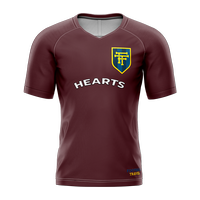
Aberdeen bring a noisy north-east edge and memories of their 1980s golden era. Hearts arrive with maroon colour, Edinburgh pride and strong travelling numbers. Hibernian carry Leith identity into the away end. Motherwell add a short-distance league rivalry, claret and amber, and the Steelmen spirit.
These fixtures are often more accessible than the Old Firm, but never feel like consolation prizes. They give you Glasgow in its everyday football clothes: proud, wet, noisy and impossible to ignore. We handle the journey; you take in the songs, the streets and the two great grounds that make this city unforgettable.