
Tottenham vs Chelsea Tickets
Tottenham vs Chelsea billetter



 08-05-2027
The search for Tottenham vs Chelsea tickets leads to something far heavier than an ordinary meeting between two big names. Tottenham vs Chelsea is not a nearest-neighbour derby in the classic sense. This is north London against west London, with roughly ten miles between the grounds and plenty of other clubs in the space between. Yet the edge is unmistakable. The Tottenham-Chelsea rivalry has been built through cup pain, old relegation wounds, supporter identity and those cruel evenings when one side has damaged the other’s hopes in full view of the country.
Why Tottenham and Chelsea clash
Tottenham Hotspur and Chelsea carry different parts of the capital in their voice. Spurs are rooted in the north. Chelsea belong to the west. The distance matters less than the history, because this is a London derby fed by memories that refuse to fade.
One early scar came in the 1909/10 season, when Tottenham beat Chelsea on the final day and Chelsea were relegated afterwards. In Chelsea and Tottenham history, that afternoon is often remembered as an early moment when the rivalry drew blood.
The real ignition came at Wembley in 1967. The FA Cup Final was the first between two London clubs and became known as the “Cockney Cup Final”. Tottenham won, and Chelsea’s pain was sharpened by the sight of former Chelsea figures Jimmy Greaves and Terry Venables in Spurs colours. That blend of rejection, pride and public humiliation gave the Tottenham vs Chelsea rivalry a deeper charge.
There is also a cultural layer that must be treated carefully. Tottenham’s historic Jewish association grew from north and east London communities, and some Spurs followers have used “Yid Army” as a contested form of self-identification. Antisemitic abuse from rival sections is not banter and should never be folded into football hatred. Chelsea have condemned antisemitic chanting from parts of their own support, and that distinction matters when talking about this rivalry honestly.
When Tottenham and Chelsea boil over
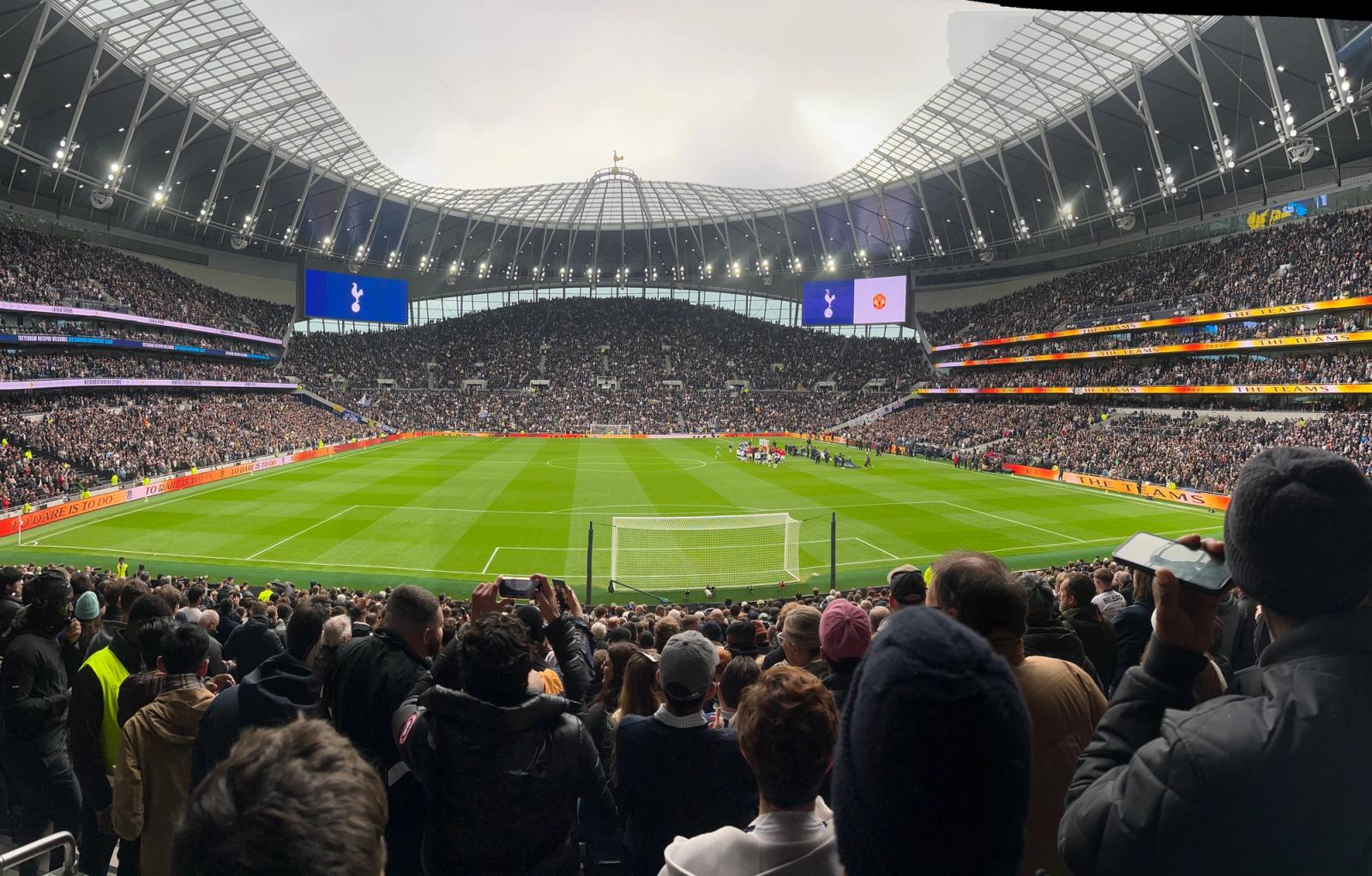
At Tottenham’s home, the ground feels steep, enclosed and restless. The huge single-tier South Stand gathers the home noise and drives it towards the pitch. When Chelsea visit the Tottenham Hotspur Stadium, “Come On You Spurs” and “We are Tottenham, Super Tottenham” roll around the bowl with a sharper bite than usual.
At Stamford Bridge, the ritual is different but just as loaded. Chelsea’s walk-on culture is tied to “The Liquidator”, with claps and shouts of “Chelsea” landing at the key moments. When Spurs are in town, the anti-Spurs feeling rises quickly. “We hate Tottenham” chants are part of Chelsea’s rivalry culture, while discriminatory abuse belongs in a separate category and should be called out clearly.
That is why this fixture sits apart from many games in the Premier League. Old Wembley wounds echo. Chelsea fans remember nights when they spoiled Tottenham ambitions. Spurs followers carry the urge to answer years of taunts. The rivalry is passed on through families, songs and stories rather than created by one single flashpoint. It belongs among the great football derbies.
Tottenham vs Chelsea moments that sting
The 1967 FA Cup Final still sits near the heart of it. Tottenham beat Chelsea 2-1 at Wembley, with goals from Jimmy Robertson and Frank Saul before Bobby Tambling’s late reply. Spurs walked away with national-stage bragging rights. Chelsea were left with the frustration of losing a London final to a side carrying familiar faces.
In 2008, Wembley delivered another Tottenham memory that Chelsea would rather forget. Didier Drogba scored with a free-kick, Dimitar Berbatov levelled from the penalty spot, and Jonathan Woodgate’s extra-time winner gave Spurs silverware directly against Chelsea. For Tottenham, it remains a cherished modern final. For Chelsea, it is a defeat with a very specific sting.
Then came the 2016 “Battle of the Bridge”, one of the most volatile chapters in this fixture’s story. At Stamford Bridge, Tottenham’s title challenge was damaged by Chelsea’s comeback, and Leicester City were confirmed as champions after the draw. The night is remembered for confrontations, bench flashpoints, the Mousa Dembélé incident with Diego Costa, punishments and fines for both clubs after failing to control players.
Every Chelsea Tottenham match carries some trace of those moments. That is the pull of this rivalry in London football: not just noise, not just colours, but memory pressing down on the pitch from the first whistle.