
Tottenham vs Arsenal Tickets
Tottenham vs Arsenal billetter


 Dec 5, 2026
Tottenham vs Arsenal tickets place you inside the North London Derby, a fixture that arrives already loaded with noise, memory and argument. This is Tottenham v Arsenal, Arsenal v Tottenham: two clubs, one patch of London, and more than a century of dispute over territory, identity and pride. Before the first whistle, the story is already in the air: Woolwich, Highbury, N17, N5, White Hart Lane, the Emirates, and the question that never really goes away — who owns north London?
Why Tottenham and Arsenal clash
The North London Derby is not built only on results. It is built on belonging. Tottenham Hotspur were already rooted in the area when Arsenal moved from Woolwich to Highbury in 1913, close enough to turn geography into grievance. For Spurs supporters, that move has never been just a line in a history book. It is part of the language of the rivalry.
Arsenal’s Woolwich origins still echo through the songs and taunts. Tottenham fans often frame their neighbours as outsiders who arrived late and claimed the streets as their own. Arsenal supporters answer with their own sense of north London identity, carried in chants, banners and the defiant belief that the area is theirs too.
Then came the 1919 Football League vote. After the First World War, Arsenal were elected into the First Division ahead of Tottenham, despite Spurs having been in the top flight before the suspension of league football. To one side, it was football politics. To the other, it became another layer of history. The first true league derby after Arsenal’s move came in January 1921, and from there the N17 versus N5 divide settled into something permanent.
When north London boils over
Inside the ground, this fixture feels sharper because the rivalry lives so close to home. Defeat is not distant. It follows people into schools, families and workplaces. Bragging rights are carried for months, sometimes years, and that gives every tackle, every corner and every roar an extra edge.
The sound of the derby is built around two opposing claims. Arsenal fans sing of belonging, with “North London Forever” often rising before the game and chants aimed straight across the divide. Tottenham fans answer with reminders of Woolwich, using history as a weapon against the idea that Arsenal were always part of the area. It is call and response, accusation and answer, pride and provocation.
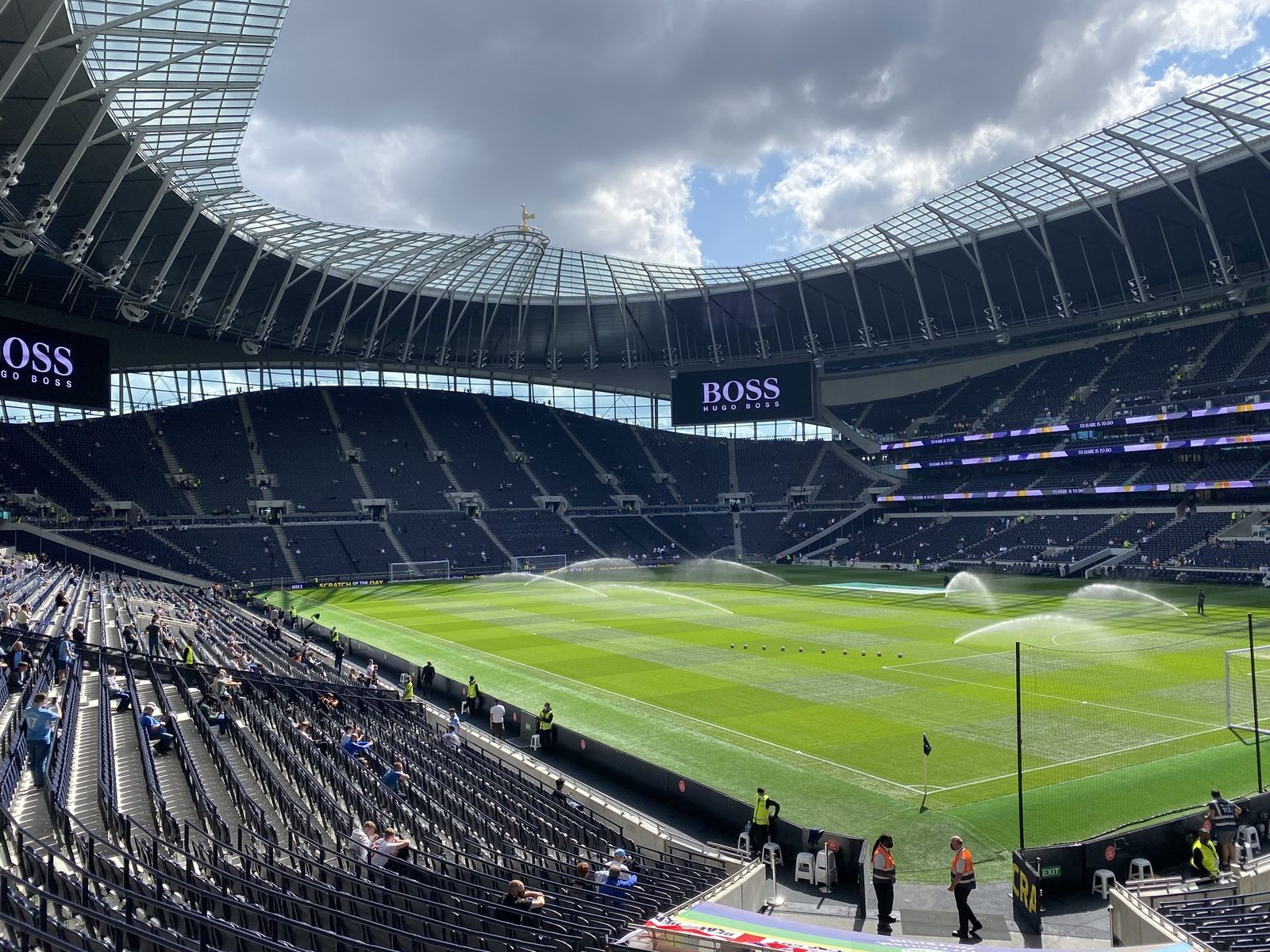
Whether the game is played at the Tottenham Hotspur Stadium or at the Emirates Stadium, the feeling is personal. The colours in the seats, the early songs, the nervous pauses before set pieces — all of it carries a weight that ordinary league fixtures rarely match.
Moments that still shape the rivalry
Some days never fade. On 3 May 1971, Ray Kennedy scored late at White Hart Lane as Arsenal beat Tottenham 1–0 and clinched the First Division title on enemy ground. For Gunners supporters, it became a cherished derby story. For Spurs, it remains one of the old wounds.
On 25 April 2004, the same ground staged another painful chapter for Tottenham. Arsenal drew 2–2 there and secured the Premier League title during their unbeaten Invincibles campaign. “Won the league at Spurs” became more than a chant. It became mythology, repeated because it hurts and because it matters.
Tottenham have their own immortal image. On 14 April 1991 at Wembley, Paul Gascoigne struck a long-range free-kick in a 3–1 FA Cup semi-final win over Arsenal, ending their rivals’ Double hopes and giving Spurs a moment that still crackles with emotion. That is the beauty of this feud: each side has memories it protects, and memories it would rather forget.
That is why the North London Derby endures. It is history with a pulse, a neighbourhood argument played out in front of thousands, and one of English football’s great live occasions.