Gladbach vs Koln Tickets
Gladbach vs 1. FC Köln billetter

 20-02-2027
The Rhine Derby carries a crackle you can feel long before the whistle. People searching for Gladbach vs Köln tickets are not simply looking for ninety minutes; they are stepping toward one of German football’s most emotional regional feuds. The Foals against the Billy Goats. Lower Rhine defiance against Köln self-confidence. Old resentment, pride, identity and noise, all packed into a fixture that never feels ordinary.
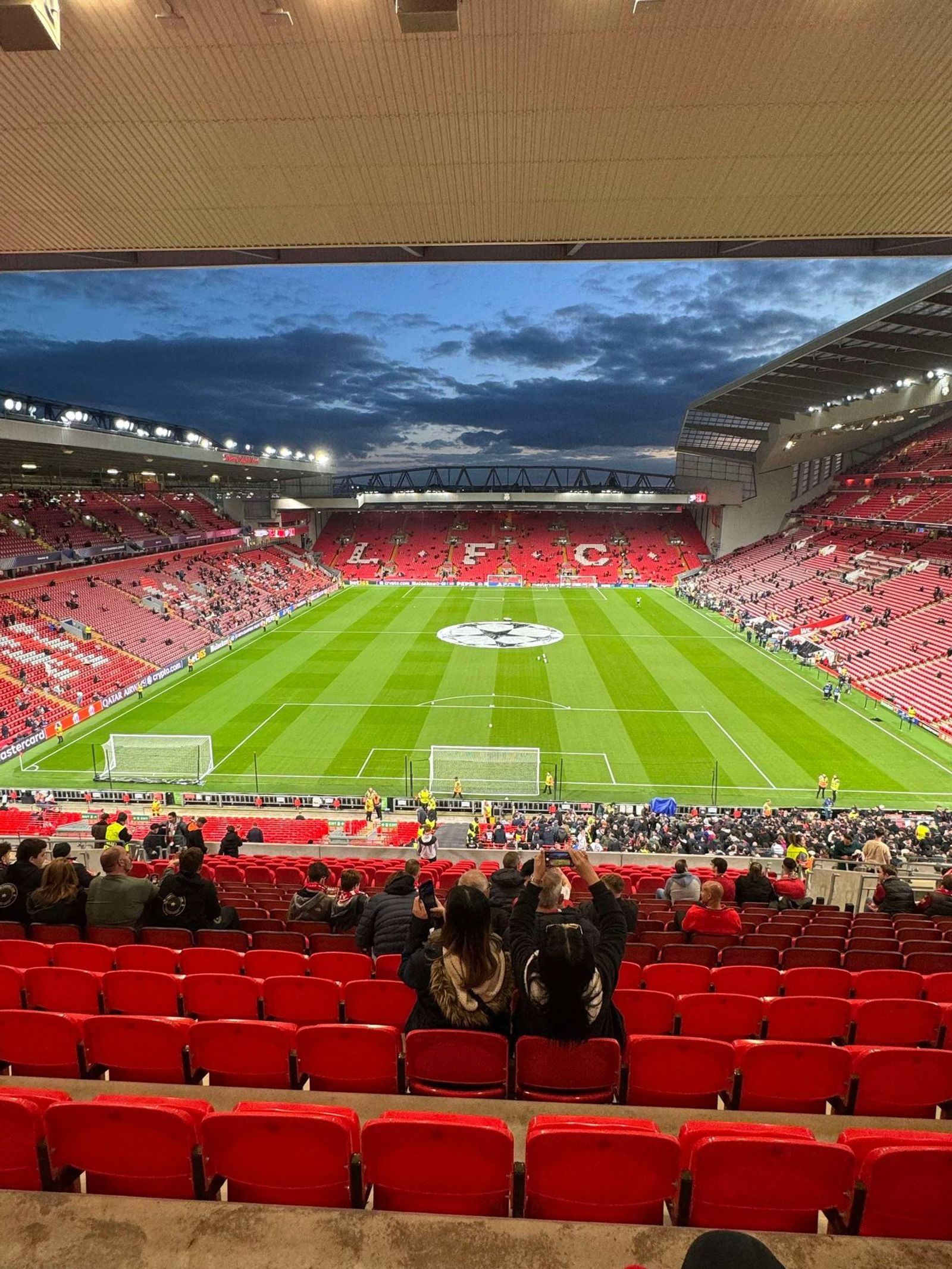
Whether it is Borussia Mönchengladbach vs 1. FC Köln at Borussia-Park or the return meeting at RheinEnergieSTADION, the Rheinisches Derby has its own temperature. It is loud, proud and deeply personal, without needing to be dressed up as glamour. This is rivalry in its raw regional form.
Why Gladbach and Köln clash
The tension between Borussia Mönchengladbach and 1. FC Köln did not begin with the Bundesliga, but it sharpened dramatically after Gladbach’s promotion in 1965. Until then, Köln carried the bigger name and broader swagger. Then came the Foals: young, fast, fearless, and built to disturb the order.
At the heart of that story stands Hennes Weisweiler. Once closely tied to Köln, he became the architect of Gladbach’s rise, turning the Fohlenelf into a national and European force. That twist still gives the Weisweiler derby its bite. It is not a same-neighbourhood feud. It is a clash of outlooks: the Billy Goats with their famous live mascot Hennes and deep civic pride, against the Lower Rhine club that grew into something bold, clever and impossible to ignore.
When the Rhine Derby boils over
Inside Borussia-Park, the Nordkurve gives this game a heavy pulse. “Die Elf vom Niederrhein” and “Die Seele brennt” sound different when Köln are in town, carried with a sharper edge and a sense that the whole end is leaning into the moment. At RheinEnergieSTADION, Köln answer with their own song culture: emotional, stubborn, carnival-coloured in spirit, and anchored by “Mer stonn zo Dir, FC Kölle” no matter what the scoreboard says.
Derby language matters here. “Derbysieger” is more than a chant after the final whistle; it is a temporary claim to bragging rights. “Die Nummer eins am Rhein sind wir” turns a result into a regional statement. Even the folklore has survived: the stolen Gladbach team bus in 1971, later flag-related flashpoints, and countless stories passed between generations. They belong to the memory of the rivalry, reminders of intensity rather than moments to romanticise.
Gladbach and Köln made history
Some fixtures become famous because of trophies. This one has that, but it also has theatre. The 1973 DFB-Pokal final in Düsseldorf remains one of the great German football tales. Günter Netzer began on the bench, effectively brought himself into the game in extra time, and scored almost immediately. Gladbach beat Köln, and the self-substitution became derby legend: personality, nerve and rivalry all in one flash.
Two years later, the Rhine Derby reached Europe. In the 1975 UEFA Cup semi-final, Gladbach won away, finished the job at the Bökelberg and went on to lift their first continental trophy. For supporters, those games were never just steps toward silverware. They were proof, arguments, memories. Classic chapters in German top-flight football that still shape how both sides talk about the fixture.
That is why Gladbach’s home setting and Köln’s cathedral of noise feel so charged for this meeting. The Rhine Derby is not frozen in the past, but it carries every old song, every wound and every proud retort into the present. When Borussia Mönchengladbach vs 1. FC Köln begins, the air changes. Everyone knows exactly what is at stake.