
Everton vs Liverpool Tickets
Everton vs Liverpool FC billetter

 Nov 29, 12:00
Everton against Liverpool is the local argument that never really ends. Two neighbours, one city, two identities, and generations of families split between red and blue. It is often called the friendly derby, but that name can be misleading. The friendliness comes from shared homes, shared streets and shared grief, not from anything soft once the whistle goes. For anyone looking at Everton vs Liverpool tickets, this is the feeling that makes the fixture different: civic pride packed into ninety minutes, with bragging rights waiting at the end.
Why Everton and Liverpool split
The Merseyside derby begins with a story that feels almost domestic. Everton were formed in 1878 and originally played at Anfield, before Liverpool FC existed. The break came through disputes around rent, control of the ground, John Houlding’s role, and growing tension inside Everton’s committee.
Everton left Anfield for Mere Green Field, which became Goodison Park. Houlding was left with an empty ground and founded Liverpool FC in 1892 to fill it. That is the heart of the Everton and Liverpool split: not a religious divide in the Glasgow sense, but one club’s argument turning into two neighbours staring across Stanley Park.
The first official derby was played at Goodison Park on 13 October 1894, with the return meeting at Anfield five weeks later. From there, the Merseyside derby history grew into something unusually intimate. This is not a rivalry built only on trophies or league tables. It is built on breakfast-table debates, schoolyard songs, workplace jokes and the long memory of who had the last word.
Everton vs Liverpool at boiling point
At Goodison Park, the derby has always carried a tight, old-school crackle. The Gwladys Street End can feel as if it is dragging Everton forward by force of will, every clearance cheered, every challenge felt in the chest. Former player Richard Dunne once described his first derby there as “absolute madness”, and the phrase fits the place: raw, close, emotional and impossible to ignore.
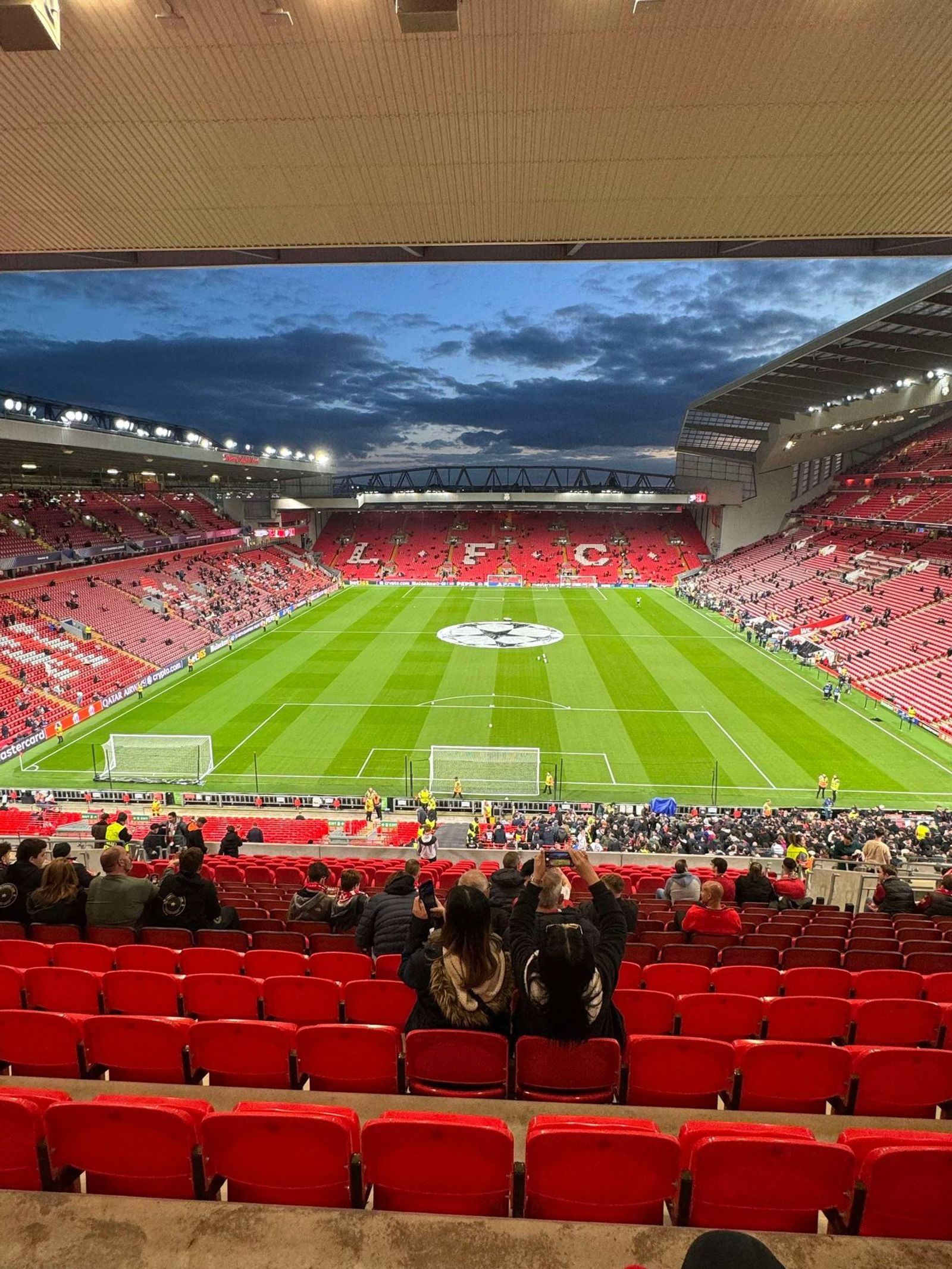
At Anfield, the rhythm changes. “You’ll Never Walk Alone” rises before the contest, the Kop finds its voice, and the ceremony slowly turns into the same local argument. The setting is different, but the feeling is familiar: red and blue pride pushed right to the edge.
The friendly derby label survives because the rivalry is woven through mixed families and shared communities. Yet the fixture itself is fierce. It also carries moments of unity, especially after Hillsborough, when colours became secondary to the wider Liverpool community. That balance of needle and togetherness is what gives the Everton-Liverpool derby its depth.
Liverpool and Everton moments that endure
Some games have become part of the rivalry’s permanent memory. They are not just results; they are scenes people still argue about, mourn over, or retell with the same intensity years later.
- The 1984 League Cup final was the first major cup final between the clubs. Wembley came first, then a replay at Maine Road, where Graeme Souness scored the decisive goal. Evertonians still remember Adrian Heath’s effort, Alan Hansen’s line incident and the handball appeals.
- The 1989 FA Cup final came weeks after the Hillsborough disaster. Football felt secondary to grief, and Everton were opponents on the pitch but fellow Scousers in a mourning community. Stuart McCall twice pulled Everton level before Ian Rush became Liverpool’s decisive figure late on.
- The 1991 FA Cup replay at Goodison Park added pure chaos: repeated Liverpool leads, Everton comebacks, and Kenny Dalglish’s final game as Liverpool manager before his later return.
That mix of controversy, solidarity and noise is why this fixture belongs alongside the great rivalries of the Premier League, the FA Cup and the League Cup. Everton and Liverpool share roots, streets and scars. When they meet, the past comes with them.