
Celtic vs Rangers Tickets
Celtic vs Rangers billetter

 27-02-2027
A seat for Celtic against Rangers is not just a view of ninety minutes. It is a place inside a story passed down through family colours, old songs, remembered grievances and a sense of belonging that reaches far beyond the pitch. People looking for Celtic vs Rangers tickets are stepping into one of football’s most emotionally charged meetings: intense, historic, symbolic, and woven into the identity of two communities.
Why Celtic and Rangers clash
The Glasgow derby, still widely known as the Old Firm, began as a football fixture and became something much larger. The first meeting came in 1888, with Rangers as Celtic’s first opponents. Early relations were relatively friendly, but repeated finals, shared dominance and deepening social identities slowly hardened the edge.
Rangers were founded in 1872 by Moses McNeil, Peter McNeil, William McBeath and Peter Campbell, with the idea discussed in West End Park, now Kelvingrove Park. Celtic were founded on 6 November 1887 by Brother Walfrid at St Mary’s Church Hall in the East End, with a charitable purpose: raising money to feed poor communities, especially Irish immigrant families facing poverty and exclusion.
That difference in origin still echoes. Celtic became linked with Irish Catholic immigrant memory, charity roots and diaspora belonging. Rangers became associated with Protestant identity, Unionism, Scottish and British symbolism, and establishment imagery. It is too simple to call this a class divide; both clubs have enormous working-class followings. The deeper force is belonging, religion, migration, politics and community memory carried in scarves, banners and songs.
The name Old Firm is tied to their shared dominance, commercial power and constant major meetings. A famous reference point came in a 1904 satirical cartoon in The Scottish Referee. Today, the term is still common, though some Celtic supporters prefer “Glasgow derby”, especially after Rangers’ 2012 financial collapse and restructuring.
When Celtic Park or Ibrox erupts
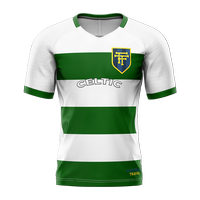
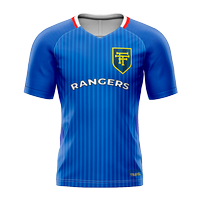
On the day itself, the ground feels like a theatre of identity. Supporter areas are heavily separated. Colours are never just decoration. Green and white at Celtic Park, blue, red and white at Ibrox: each end of the rivalry carries its own symbols, rituals and sound.
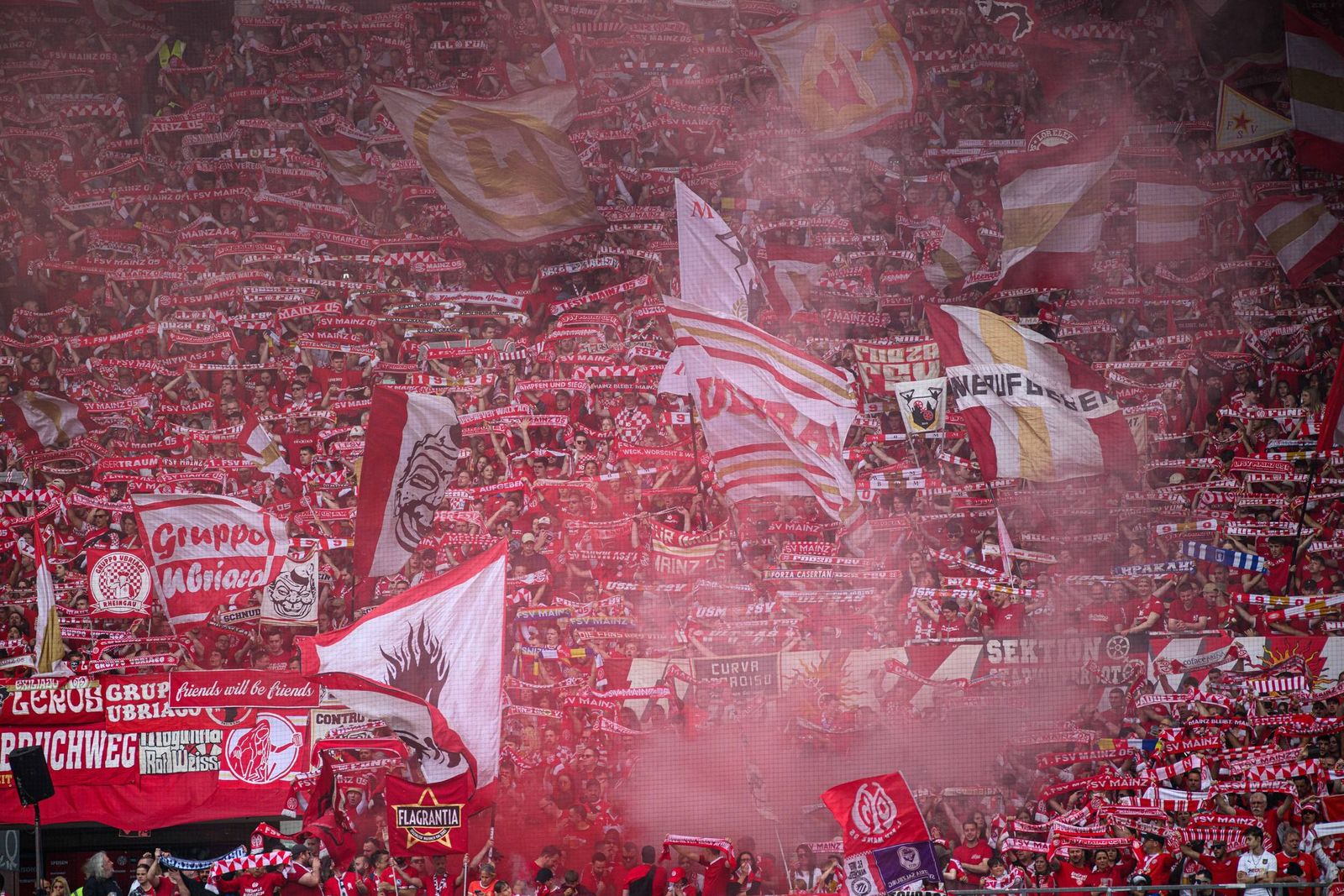
At Celtic Park, the visual scene is often shaped by coordinated displays, raised scarves and banners stretching across the home sections. “You’ll Never Walk Alone” has become part of the emotional build-up on major occasions, while “The Fields of Athenry” ties the sound of the crowd to Irish identity and famine-era memory.
At Ibrox, the setting can feel enclosed and confrontational, with Rangers songs such as “Follow Follow” and “We Are The People” central to the home voice. The pressure rolls down from every side, turning Rangers vs Celtic into something that feels more like a ritual than an ordinary game in the Scottish Premiership.
The fixture is often discussed in Scotland alongside sectarianism. Scottish Government research has identified Celtic against Rangers as the issue most associated with sectarianism by participants. That does not mean the occasion is always sectarian, or that passion and discrimination are the same thing. The power of the Old Firm atmosphere lies in its noise and identity; the line is crossed when support becomes abuse.
Celtic vs Rangers moments remembered
Some chapters explain why this fixture lives so deeply in memory. In the 1909 Scottish Cup Final at Hampden Park, Celtic and Rangers drew on 10 April, then drew again in the replay a week later. Supporters expected extra time, but none came. Rumours spread that officials wanted another replay for gate revenue. Disorder followed: a pitch invasion, damaged goalposts, fighting with police and a wrecked Hampden. The Scottish FA withheld the trophy and medals, leaving the cup without a winner.
The most solemn date is 2 January 1971. More than 80,000 watched at Ibrox as Celtic scored late through Jimmy Johnstone and Rangers equalised moments later through Colin Stein. As supporters left, a crush occurred on Stairway 13. Sixty-six people died, many from compressive asphyxia. This was not a classic encounter; it was a tragedy. Grief crossed club lines, with support from across Scottish football, including Celtic’s contribution to the appeal for victims’ families.
Other memories remain raw: the 1980 Scottish Cup Final, followed by a major pitch invasion and more than 200 arrests, and the 1999 title decider at Celtic Park, remembered for disorder, red cards and referee Hugh Dallas being struck by a missile. Together, these moments show why this is listed among football’s great clashes of the titans: fierce, complicated, unforgettable.