
Brighton vs Crystal Palace Tickets
Brighton vs Crystal Palace tickets are never just about a place in the ground. They are a way into one of English football’s strangest feuds: fierce, emotional, and not really local in the traditional sense. Around 40 to 45 miles separate the two clubs, yet the feeling between them is sharper than many neighbourhood derbies. This is Eagles vs Seagulls, a rivalry built on grievance, identity, old terrace stories and nights that still get retold with a clenched jaw.
Why Brighton and Crystal Palace clash
The Brighton and Crystal Palace rivalry truly caught fire in the mid-1970s. Before then, the clubs had met without anything like the same bitterness. Then came the shared divisions, similar ambitions, big crowds and the feeling that both were trying to climb at the other’s expense.
People often call it the M23 derby, but that name came later and never fully explains the emotion. For many connected with Brighton & Hove Albion, a motorway label feels too neat for something that grew from flashpoints, resentment and memory. For Crystal Palace, the edge is just as real: a fixture where the away end feels louder, the chants cut deeper, and every goal seems to land with extra force. We have seen this first-hand with over 50,000 travelers, and every ticket comes with our ticket guarantee.
The managerial feud between Alan Mullery and Terry Venables gave the story its personal spark. During the 1976–77 season, Brighton and Palace were not only competing on the pitch; they were being pulled into a feud shaped by pride, provocation and public anger. The result was a rivalry that felt inherited almost as soon as it began.
When the Eagles and Seagulls boil over
One reason Brighton v Crystal Palace feels so distinctive is that the club identities are woven into the noise. Palace supporters had their “Eagles, Eagles” cry, and Brighton fans answered with “Seagulls, Seagulls” at the Goldstone Ground in 1976. That response helped strengthen Brighton’s nickname, making the Seagulls chant more than a sound. It became a reply, a badge, a challenge.
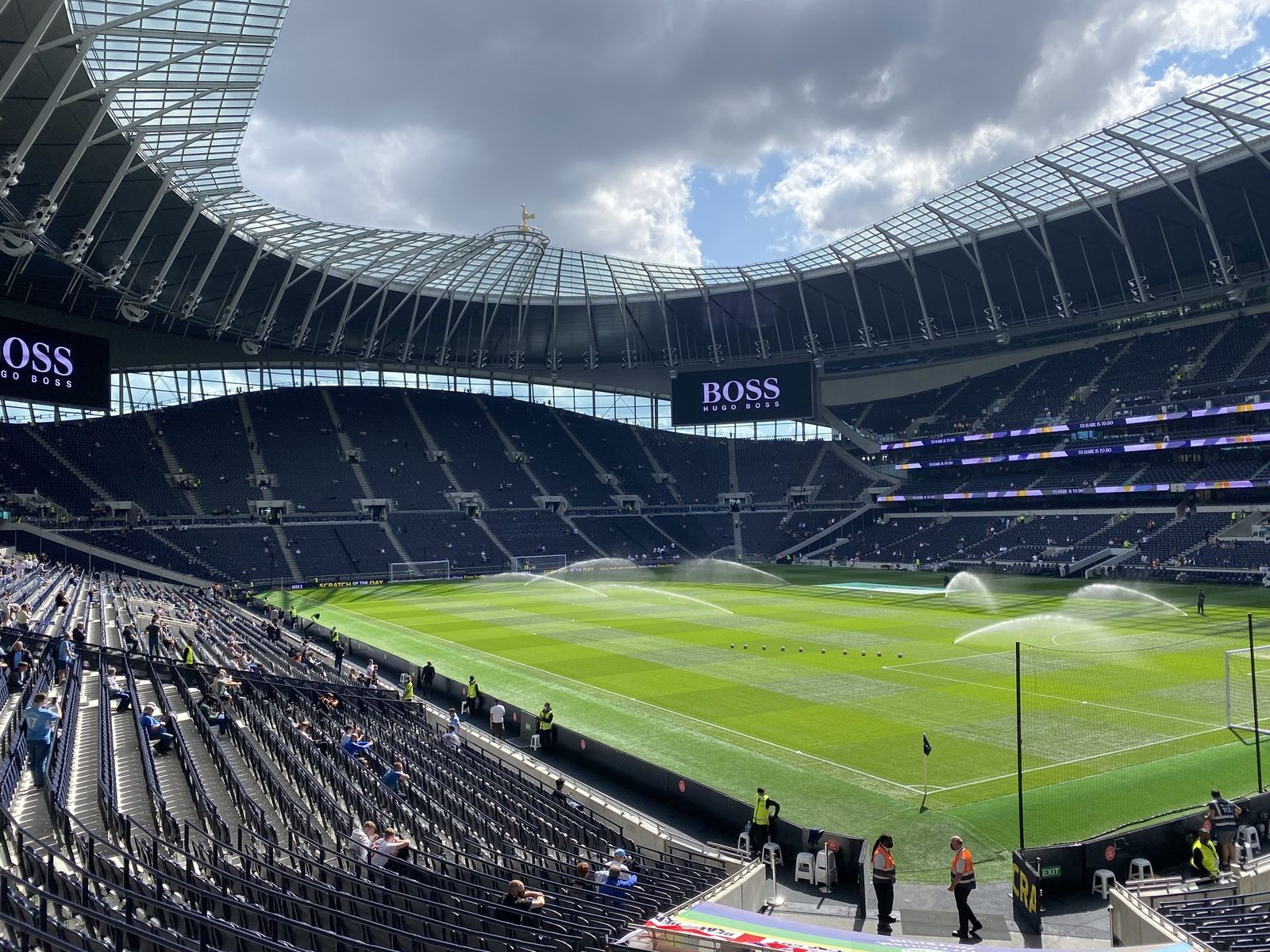
At Selhurst Park, the Holmesdale Road end gives Palace home games a hard, rhythmic pulse. At the Amex Stadium, Brighton meetings with Palace still carry echoes of the Goldstone era. Different grounds, different eras, same old charge in the air.
- It is not close enough to be simple geography, which makes the rivalry feel more unusual.
- The songs matter because they grew out of the feud itself.
- The away following often brings a hostile edge that changes the whole tone of the day.
- Old arguments still sit beneath the surface, even when the game itself looks calm for a while.
Brighton and Palace moments that linger
The foundational night came on 6 December 1976, when Brighton and Palace met in an FA Cup second replay at Stamford Bridge. The tie had already needed several attempts to settle, and when Palace won, Brighton were furious. A disallowed goal, a penalty scored and then ordered to be retaken, and the save that followed all fed the anger.
Alan Mullery’s rage at referee Ron Challis became part of derby folklore. So did his confrontation after the final whistle and the money-throwing incident involving Palace supporters. From there, competitive dislike hardened into something much more lasting.
Another wound was opened on 13 May 2013 in the Championship play-off semi-final at the Amex. After a tense first leg at Selhurst Park, Palace won away from home and kept their promotion path alive. For Palace supporters, the Amex Stadium play-off remains one of the sweetest modern chapters. For Brighton, it is one of those evenings that still feels heavy.
Even the stranger episodes have stayed alive, like the “five penalties” game at Selhurst Park in 1989, a chaotic meeting that underlined how rarely this fixture behaves like an ordinary one. In the wider story of the Premier League and English football culture, Brighton against Palace stands apart: not the nearest rivalry, but one of the most personal.