
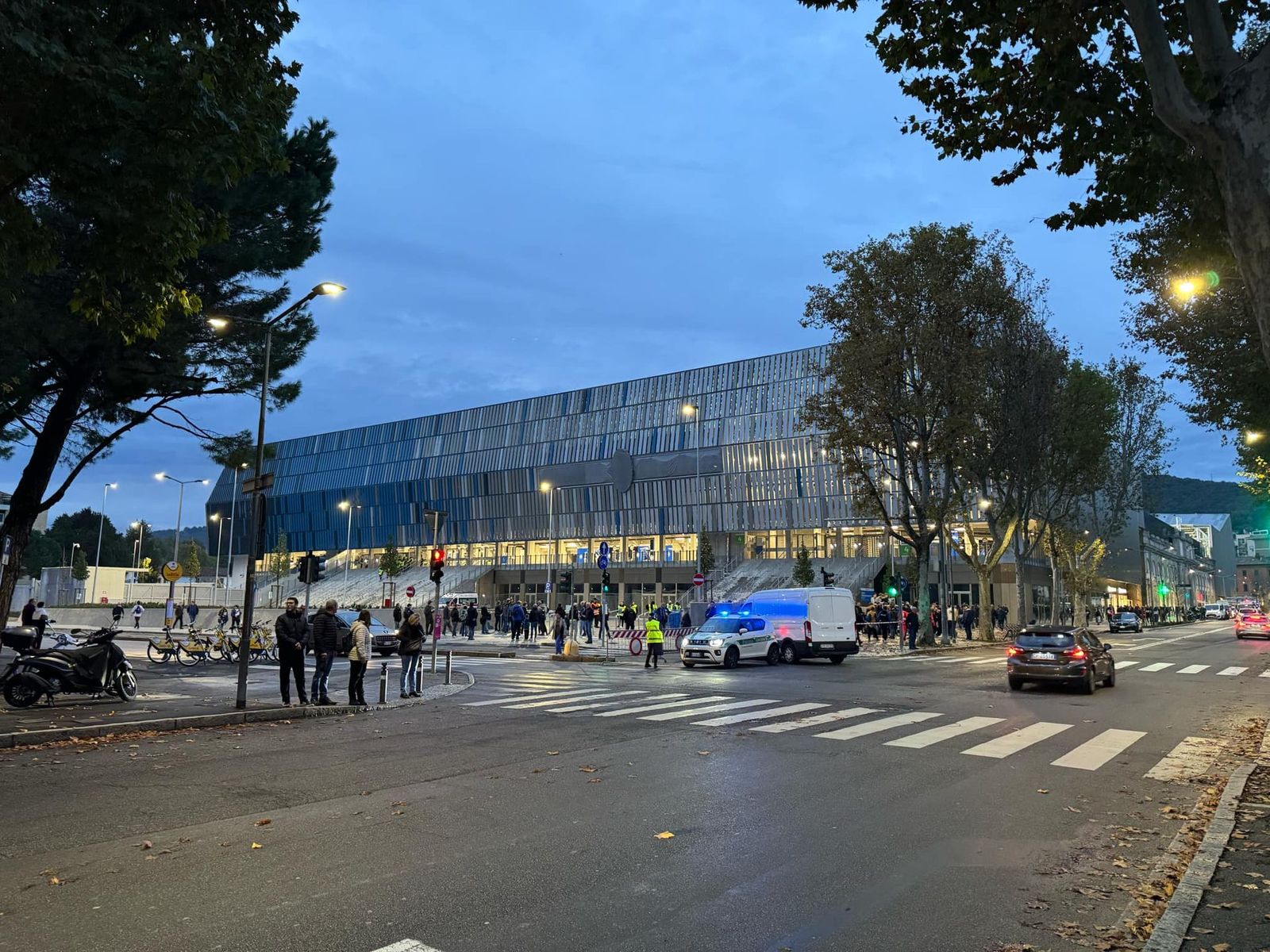
Atalanta vs Inter Tickets
Atalanta vs Inter tickets open the door to one of Italian football’s strangest visual battles: Nerazzurri against Nerazzurri, black and blue facing black and blue, two sets of colours that look alike but carry completely different meanings. This is not the main derby for either club. Atalanta’s deepest fire burns toward Brescia, while Inter’s defining enemies are AC Milan and Juventus. Yet this Serie A rivalry has a harder edge than many outsiders expect, shaped by Lombardy pride, Milanese prestige, ultras memory and decades of bitter episodes.
Why Atalanta and Inter clash
The Atalanta Inter rivalry is not a classic city feud. It is built on proximity, identity and repeated contact. Bergamo and Milan sit close enough for away followings to become familiar faces, for songs to be remembered, and for old insults to stay alive long after the final whistle. Over time, that closeness has turned shared colours into a kind of provocation.
Inter carry the aura of the grand metropolitan club: international, glamorous, used to the huge stage and the pressure that comes with it. Atalanta, by contrast, are rooted in Bergamasque pride, fierce local loyalty and the old image of the “Queen of the provincial clubs.” That contrast gives Inter vs Atalanta a sharp emotional line. One side defends status. The other refuses to bow to it.
The modern hostility is often traced back to the early 1970s, especially an incident in Bergamo in December 1972 involving cars belonging to Inter players. Whether remembered as provocation, anger or pure terrace folklore, it became part of the story supporters still pass down. For anyone following Atalanta or Inter, this fixture has never felt like just another date on the calendar.
When Nerazzurri vs Nerazzurri boils over
Live, the game has a strange mirror-image tension. Both ends glow in the same shades, yet the voices come from different worlds. At Inter’s home ground, the scale of the occasion adds weight: huge tiers, flags rolling across the crowd, organised singing bouncing around the concrete. Atalanta’s travelling support arrives with something more stubborn and compact, bringing Bergamo identity into a place where they have no intention of being swallowed up.
That is why the Inter Atalanta atmosphere feels so distinctive. The chants are not only about the score. They are about belonging. Inter home support leans into prestige, colour and ceremony; Atalanta away support answers with loyalty, defiance and songs such as “Non ti lasceremo mai” and “Dai Dea non mollare.” The emotional contrast is simple: one club protecting its grand stage, the other making sure its voice cuts through it.
For a deeper sense of each side’s setting, the club pages for Inter at San Siro and Atalanta in Bergamo show how different these black-and-blue identities really are.
Atalanta and Inter moments remembered
Some fixtures carry their history quietly. This one does not. In 1979, clashes around Atalanta’s old ground ended with the theft of the Inter Boys banner, later displayed in Bergamo’s end as a trophy. In ultras culture, that was more than stolen fabric. It was humiliation, memory and fuel.
Then came one of Italian football’s most infamous fan episodes: the 2001 San Siro scooter incident. A scooter reportedly belonging to an Atalanta supporter was brought into the stadium, set alight and thrown into an empty section below. The images became part of the darker folklore of the Italian terraces, a reminder of how volatile this meeting can feel when pride turns poisonous.
There have also been sporting wounds that still sting. In 2013, Atalanta stunned Inter in Milan after a wild comeback, with Germán Denis scoring a second-half hat-trick and leaving the home crowd in disbelief. A few years later, a heavy Inter win flipped the emotion completely, proving how quickly joy and pain trade places in this fixture.
That is the pull of this Nerazzurri rivalry. It is not the loudest derby in Italy, and it is not built on one shared neighbourhood. But when black and blue meets black and blue, the colours deceive you. Underneath them are two identities that have been rubbing against each other for generations.