
Ajax vs Feyenoord Tickets
Ajax vs Feyenoord billetter

 27-02-2027
Ajax vs Feyenoord tickets mean entry to De Klassieker, the Netherlands’ defining club rivalry. Before the first whistle, it already feels different: red and white everywhere, noise rolling around the ground, old arguments in the air. This is Amsterdam confidence against Rotterdam defiance, technical pride against working-class loyalty, and a rivalry shaped by colour, tension and memory.
Why Ajax and Feyenoord clash
The Ajax and Feyenoord story began as it meant to go on: with dispute. On 9 October 1921, the clubs met at senior level in Rotterdam. Ajax appeared to win; Feyenoord protested one of the goals, and the official result was later changed to a draw. De Klassieker did not start with calm history. It started with an argument.
The deeper force behind the Ajax Feyenoord rivalry is the contrast between two powerful identities. Amsterdam is often seen through capital status, cosmopolitan swagger, flair and technique. Rotterdam carries the image of a port city: tough, direct, resilient and proud of hard work. These are fan-culture pictures rather than simple truths, but they explain why the Amsterdam vs Rotterdam football rivalry reaches far beyond the score.
Over time, the clubs grew into symbols. Ajax became associated with refined football, elite self-belief and national presence. Feyenoord embraced the Volksclub image: loyalty through difficult years, fighting spirit, and a bond that feels almost stubborn in the best possible way. When the Eredivisie began in 1956, regular national meetings gave this tension a sharper rhythm.
There is also a sensitive layer around Ajax’s Jewish identity. It is linked to Amsterdam history and supporter culture, but it has also been abused by rival groups through antisemitic chanting. That part of the rivalry should never be treated as theatre. It is part of the story because it shows how charged this fixture can become, and why respect matters around it.
Ajax and Feyenoord in full voice
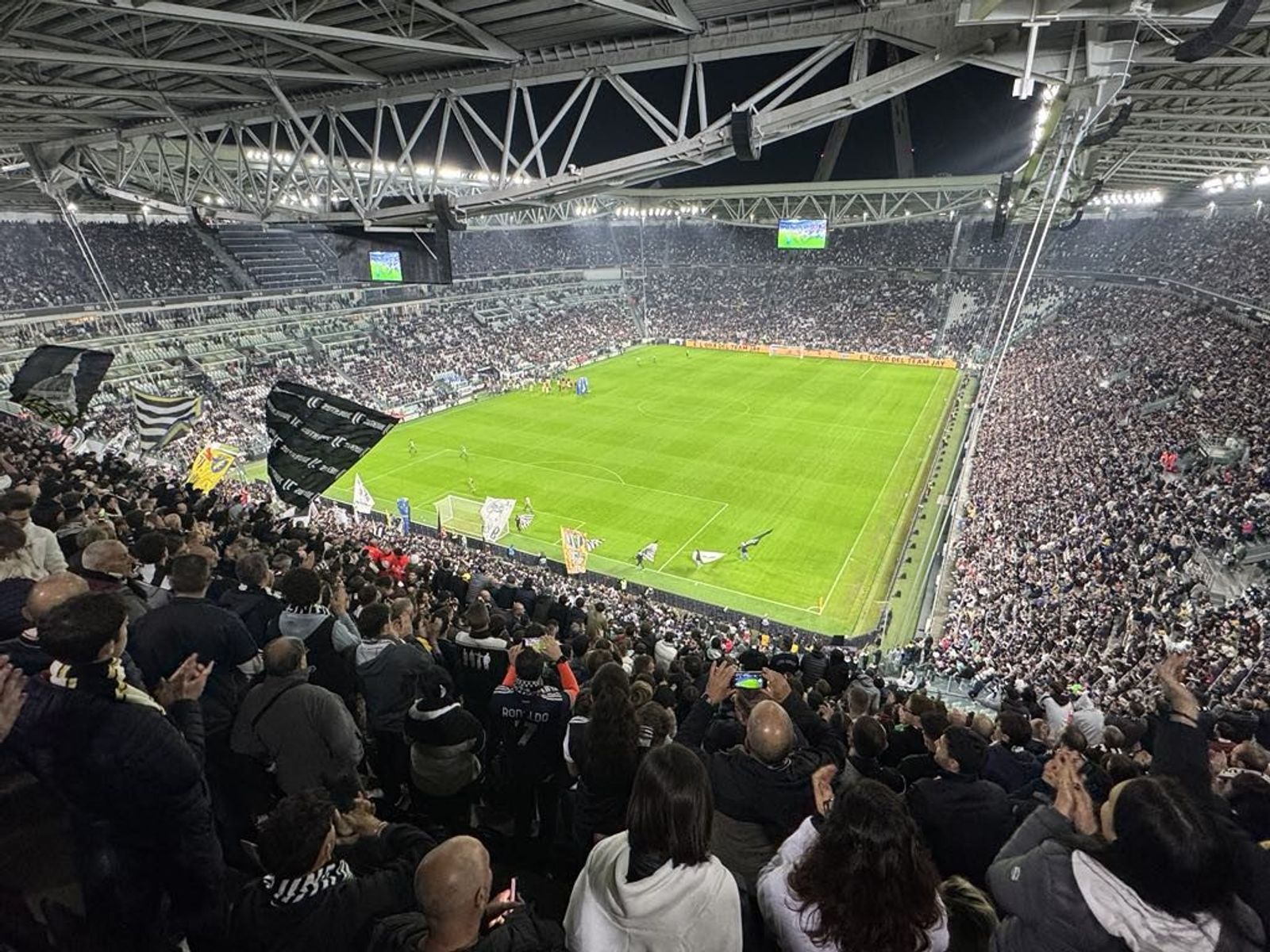
At the Johan Cruijff ArenA, De Klassieker gathers around Ajax’s home identity. The F-side, on the south side, drives the sound with red-and-white visuals, sharp chants and restless energy. For this game, it becomes the centre of Amsterdam’s football self-image: proud, loud and convinced of its place in the game.
At De Kuip, the feeling changes shape but not intensity. Feyenoord’s crowd, Het Legioen, treats the ground like an emotional fortress. The supporters are symbolically tied to shirt number 12, and when “Hand in Hand, Kameraden” rises as the team enters the pitch, it feels less like a song than a promise.
Since 2009, away supporters have often been absent from De Klassieker because of disorder, offensive chanting, safety concerns and decisions by authorities, the clubs and the KNVB. That changes the sound. There is less back-and-forth between rival ends, more of a one-club wall of noise. In Amsterdam, the day feels dominated by Ajax. In Rotterdam, by Feyenoord. It also shows how differently this meeting is treated compared with ordinary big games, even among the great football derbies of Europe.
Ajax and Feyenoord moments remembered
Some De Klassieker stories are retold because they still sting. On 18 September 1983, Johan Cruyff returned to Amsterdam wearing Feyenoord colours after a dispute with Ajax. The rain-soaked game ended in a heavy Ajax victory, but the image mattered just as much as the result: the ultimate Ajax icon standing on the other side. For Ajax, it became a memory of revenge and superiority. For Feyenoord, it was a painful afternoon later softened by success that season.
Then came 8 March 1995, in the KNVB Cup quarter-final. Mike Obiku scored a golden goal in extra time to knock Ajax out during one of their greatest seasons. That is why the biggest European rivalries are never only about form. One run, one finish, one eruption from the crowd can tear up reputation and logic.
The 2010 KNVB Cup final underlined the same point in another way. It was split into two legs, one in Amsterdam and one in Rotterdam, without away fans. A national final had to be reshaped around the intensity of Ajax and Feyenoord. That is De Klassieker: not just a fixture, but a rivalry that changes the room before the ball even moves.