
What Is the Champions League? A Guide to Europe’s Top Soccer Event
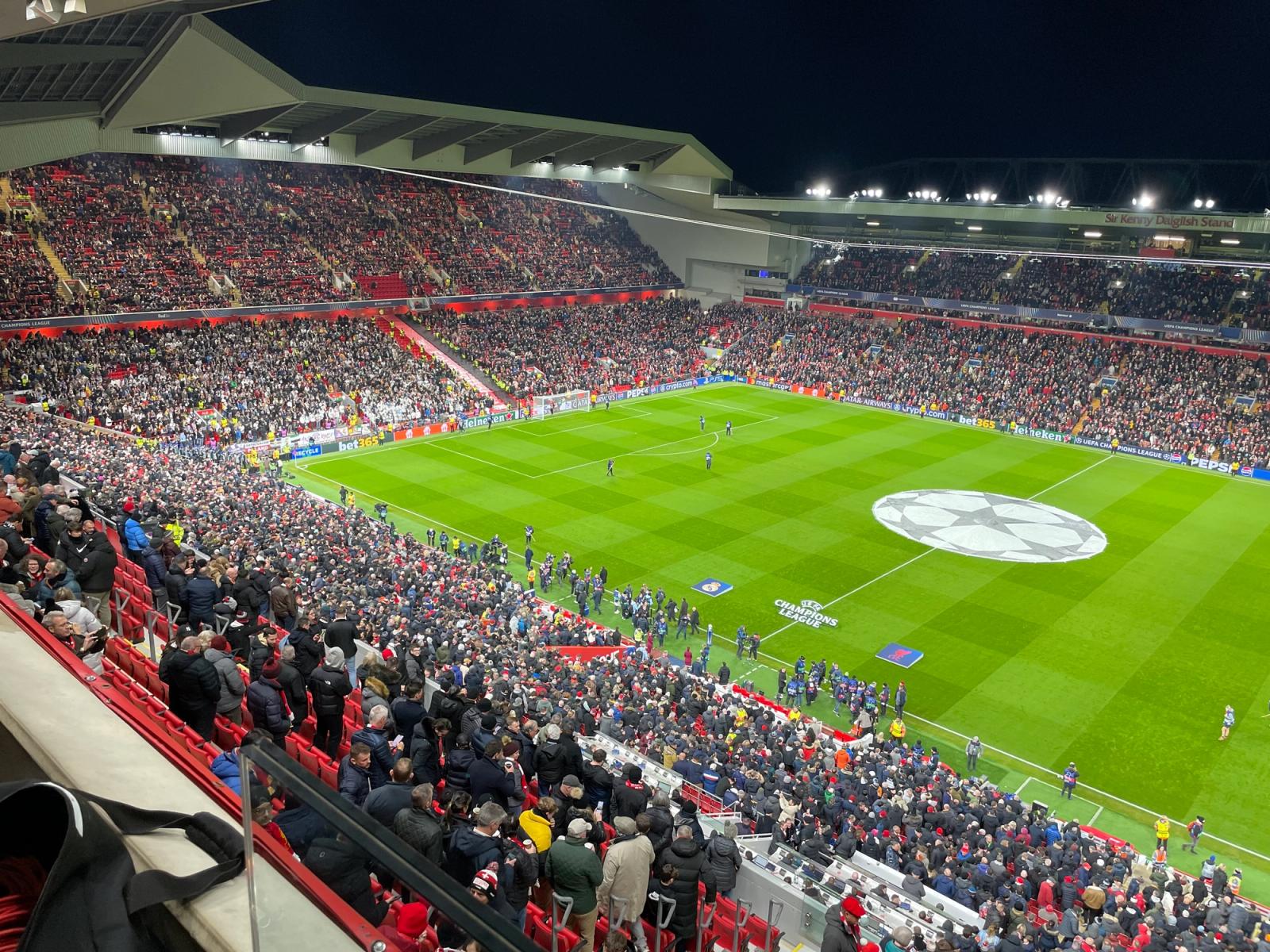
Tuesday or Wednesday evening has its own smell in European football: wet pavement outside the ground, grilled meat from a corner stall, cold air on your face, scarves lifted as the anthem rises under the floodlights. If you have ever wondered what the Champions League is beyond the television picture, the answer starts long before kick-off. It is the metro ride with home fans humming the same song, the late meal after the final whistle, the harbour walk in Piraeus, the warm Istanbul night, or the blue northern dusk above Bodø.
A Champions League football trip is built around the game, but it rarely belongs only to the 90 minutes. At Football Travel, we guide fans while the idea is still taking shape, with experience from more than 50,000 travelers since 2008. Official packages with flight, hotel and official match ticket, plus a ticket guarantee, give the planning a calmer edge, so there is more room to think about the city, the food and the kind of night you want.
What is the Champions League, really?
The UEFA Champions League is Europe’s elite club competition, first launched in 1955 as the European Champion Clubs’ Cup. It became the starball era in 1992/93, when the music, ceremony and floodlit theatre turned into part of the ritual. Domestic champions and leading sides from UEFA nations chase one trophy through autumn, winter and spring, carrying the feel of European club football from Madrid to Istanbul, London to Belgrade.
The anthem was written by Tony Britten in 1992, inspired by Handel’s Zadok the Priest, and sung in English, French and German. Then there is the trophy: 73.5 cm tall, 7.5 kg, with those famous silver handles that seem made for confetti and raised arms. No club is more tied to that image than Real Madrid, record winners with 15 European Cup and Champions League titles, though nights in Paris with Paris Saint-Germain or in north London with Arsenal show how many different moods the tournament can carry.
When the journey comes alive
The rhythm is simple enough for a first European away night. Arrive Monday or Tuesday, let the city open up slowly, go to the game in the evening, and either fly home the next morning or stretch it into a short break. The main fixtures usually fall on Tuesday and Wednesday, which gives these trips their slightly secret feeling: a working week somewhere else, with floodlights in the middle.
The format changed in 2024/25. Instead of the old eight-group setup, 36 clubs sit in one league table, each playing eight different opponents: four at home and four away. It creates stranger routes and more surprise. One final league-phase night can send tension across several countries at once, from Arctic Norway to Istanbul, Baku, Warsaw or Belgrade. The wider European calendar for English clubs is especially worth watching after the draw, because UEFA scheduling confirms the exact dates later.
The 2025/26 road ends on Saturday 30 May 2026 at Puskás Aréna in Budapest, with Paris Saint-Germain vs Arsenal giving the final its own story. Before that, practical details shape the trip: flexible hotels, early passport checks and visa awareness matter, especially for Azerbaijan, Serbia or Turkey. The match and access guarantee is useful peace of mind when plans are made before every small detail is known.
Which European night suits you?
Some journeys are about raw city intensity. A night with Galatasaray in Istanbul can begin around Nevizade and Beyoğlu, where songs roll between tables before red-and-yellow scarves fill the M2 metro toward Seyrantepe. The old “Welcome to Hell” story still follows the club, but the best part is how the whole district seems to lean toward the evening.
Cross the Bosphorus and the rhythm changes. With Fenerbahçe on the Asian side, the ferry to Kadıköy feels like the first chapter. Harbour streets, market noise and the walk past Yoğurtçu Parkı toward the Mabet make the journey part of the event. Same city, two completely different football travel destinations.
If you want something compact and unusual, Bodø/Glimt above the Arctic Circle offers cold coastal walks to Aspmyra, yellow scarves, artificial turf and the wonderfully odd toothbrush supporter symbol. Think warm layers, local beer and fish restaurants before kick-off. In Baku, Qarabağ FK carries the story of the “Refugees’ Club”, with Fountain Square, Caspian air and big European evenings that may be played at Tofiq Bahramov Republican Stadium or Baku Olympic Stadium, so the venue is always worth checking before final plans settle.
For fierce old-school culture, Olympiacos in Piraeus brings port identity, drums and red-white noise near Georgios Karaiskakis Stadium. PAOK’s Toumba is dense and neighbourhood-driven, Legia Warszawa has Żyleta tifos whose name traces back to a 1973 razor-blade advert, and Røde Stjerne in Belgrade connects the Marakana with the memory of 1991. If you love heavy European sound, you may also understand the pull of Borussia Dortmund, where the city seems to vibrate on big nights.
From city streets to kick-off
The day usually starts slowly. In Istanbul, it might be coffee near Taksim, then a drift through Beyoğlu before the metro platforms turn red and yellow. Around RAMS Park, expect wide security zones and steady checks. In Kadıköy, the build-up is more maritime: ferry horns, market streets, tea glasses, and groups moving toward the ground from every side.
Greece has its own pace. Before Olympiacos, Piraeus gives you seafood by the water, souvlaki on the move and the metro to Faliro, where the station sits close to the arena and the port air hangs over everything. In Thessaloniki, the waterfront and Ladadika lead toward tighter Toumba streets, where black-and-white colours gather early and the noise feels close to the buildings.
Elsewhere, the route becomes part of the memory: Fountain Square to Ganjlik metro for Qarabağ FK, central Warsaw or Łazienki Park toward Legia, Belgrade kafanas before heading south to Marakana, or a walkable Bodø centre in sharp northern air. For major European football nights, expect separate entrances for visiting fans, ID checks in some countries, controlled station access and possible post-game holdbacks. Plan for patience. That pause after the final whistle, when songs still echo and the city waits outside, is often when the trip truly sinks in.