
What Is Copa del Rey? A Guide to Spain’s Famous Tournament
Warm Seville evenings have a way of slowing everything down until the streets suddenly fill with colour. Tapas bars spill onto pavements, scarves hang from shoulders, and groups drift over the bridges toward Isla de La Cartuja as if pulled by the floodlights. On other nights, the magic is smaller and sharper: temporary seating in a provincial ground, a lower-league town waiting for one of Spain’s giants to step off the bus, and a whole neighbourhood leaning over the railings to catch a glimpse.
If you are wondering what is copa del rey, the simple answer is this: it is Spain’s King’s Cup, founded in 1903, and the country’s oldest national football competition, older than La Liga. Organised by the RFEF, it is a national knockout cup, comparable in spirit to England’s FA Cup. The Copa del Rey meaning is really about jeopardy: one bad night, one awkward away ground, one late header, and the plan changes. For anyone shaping a football trip to Spain, it offers a different rhythm from the league, especially if you already know the big-city pull of a trip built around Real Madrid.
When the cup comes alive
The early rounds are where the Spanish knockout cup feels most raw. Most ties are single-leg games, and lower-league sides often host La Liga clubs in grounds that feel too small for the occasion. You might find a midweek kick-off, a compact crowd, a temporary camera platform and a local bar doing the best business of the year. For planners, that unpredictability is part of the charm, but it also means waiting for the draw and checking the exact venue before getting too attached to a route.
The story of Mirandés still explains the romance better than any brochure. In 2012, as a third-tier side, they knocked out Espanyol and reached the semi-finals. That is the kind of night people in a town remember for decades. Later in the tournament, the Copa del Rey format becomes easier to plan around. The semi-finals are played over two legs, home and away, with bigger crowds, louder visiting sections and a clearer calendar. A tie involving Barcelona and their long cup tradition or Atlético Madrid’s travelling support can turn a normal evening into something much heavier.
Then comes the final weekend. La Cartuja in Seville is assigned as host for 2026, 2027 and 2028, and the city becomes part stadium, part street festival. In 2025, Barcelona beat Real Madrid 3–2 after extra time in an El Clásico final there. In 2026, Real Sociedad beat Atlético Madrid on penalties after a 2–2 draw. Those games are not just about the 90 minutes. They are about the long build-up, the marches, the food, the music and the feeling that the whole city is watching the clock.
Pick your Spanish cup mood
Not every Spanish cup journey feels the same. Bilbao is for tradition with a thick Basque accent. Athletic Club have been tied to this competition since the beginning, including their 1903 comeback against Madrid, a story connected to the later roots of Atlético de Madrid. A night at San Mamés, known as La Catedral, starts long before kick-off on Calle Licenciado Poza. Pozas fills with small glasses, pintxos and old friends greeting each other outside bars like El Mugi before the slow walk to the ground. If that sounds like your kind of evening, Athletic Club in Bilbao gives the cup a deep, local pulse.
San Sebastián is softer around the edges, but not quieter when the draw turns serious. Real Sociedad’s 2026 triumph, including a 2–0 aggregate semi-final win over Athletic Club, gave the city another reason to glow. Start in Parte Vieja, slip between Bar Néstor, Atari Gastroteka and La Mejillonera, then take the flat 25–30 minute walk toward Amara, often with the Urumea River beside you. A trip shaped around Real Sociedad and Reale Arena mixes coastal calm with derby electricity.
Madrid and Barcelona bring a different scale. Around the Bernabéu, Real Madrid fans gather for the Busiana near Plaza de los Sagrados Corazones and Calle Concha Espina, waiting for the team coach in a wave of noise. Across the city, Atlético offer a more rugged edge and a very different stadium setting. Barcelona, meanwhile, carry the record title count in this competition, with the return to Spotify Camp Nou adding another layer for travellers drawn to football culture in Spain.
Feel the city before kickoff
For a Seville Copa del Rey final, do not rush straight to the stadium. Spend the morning in the historic centre, Alameda, Triana or Arenal. Let the day stretch. Orange trees, warm spring air and club colours begin to move north as the afternoon thickens. When Feria de Abril overlaps, the city gets even more vivid: alumbrao lights, pescaíto frito, rebujito and hotel lobbies full of fans comparing routes.
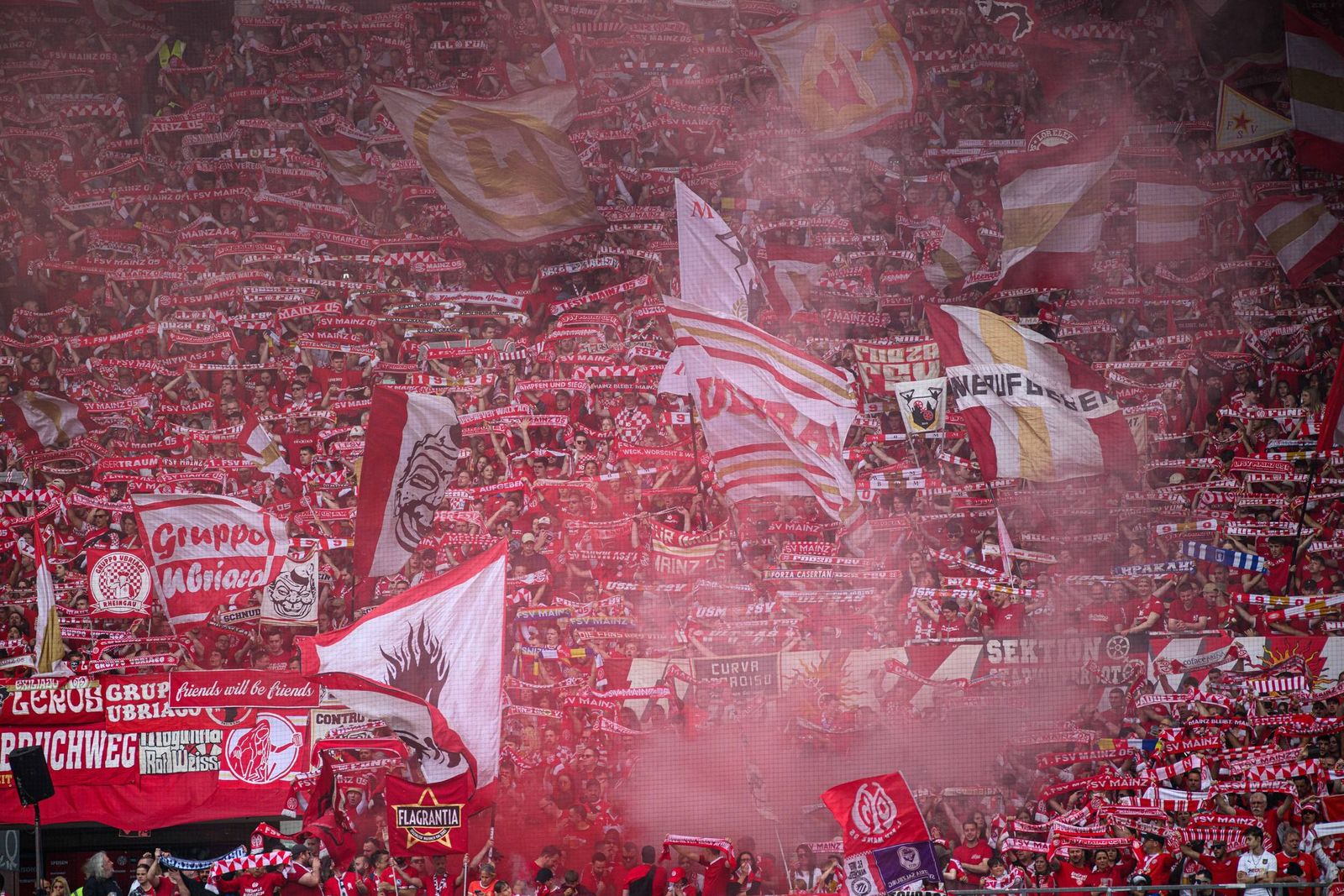
In 2026, Atlético Madrid supporters had their fan zone at Parque del Alamillo, while Real Sociedad gathered on Avenida Carlos III. Basque kalejira processions, with txaranga brass bands, rolled toward La Cartuja, and many fans crossed Puente de la Barqueta or other Cartuja approaches under police direction. It is the kind of day where the walk is not a detail; it is part of the memory. For a broader city base, a football trip to Seville works beautifully with spring evenings, river walks and long meals before the game.
Plan smart, travel relaxed
Early rounds reward flexibility. Confirm the venue after the draw, expect scarce availability at smaller grounds, and think carefully about late finishes. Public transport can thin out quickly outside major cities, so an overnight stay may be the calmer choice. Semi-finals and the final are easier to shape into a long weekend, especially if you want the city as much as the football.
For La Cartuja, arrive early and use the official fan zones rather than waiting near the stadium perimeter. In 2026, gates opened three hours before kick-off, with 12 outer-access points and 14 enabled entry gates. Buses 2, C1 and C2, plus the Cartuja rail stop, helped move people in, but taxis close to the venue were unreliable once roads tightened. Feria de Abril can also increase demand at hotels, restaurants, the airport and rail stations, so a clear plan matters.
At Football Travel, after helping more than 50,000 travelers since 2008, we know the best cup trips feel relaxed because the essentials are already in place. Packages combine flight, hotel and an official match ticket, and our ticket guarantee adds security without taking away the spontaneity of the streets, the songs and that final walk toward the lights.