Signal Iduna Park Guide: Tips, Tickets & Matchday Tips
Black-and-yellow shirts start appearing long before you see the floodlights. Around Strobelallee there is grill smoke in the air, packed trains rolling in from the centre, plastic cups in careful hands, and that first low roar drifting across the trees from the Südtribüne. This Signal Iduna Park guide is for anyone still wondering where the next football trip should go. Dortmund is not glossy in the obvious way. It is better than that: direct, loud, easy to reach, and completely tied to its club. Since 2008, we have helped more than 50,000 travellers build football trips, and few places keep coming back in conversations like Borussia Dortmund, the Yellow Wall and the old name that still carries the emotion: Westfalenstadion.
Why Dortmund pulls you in
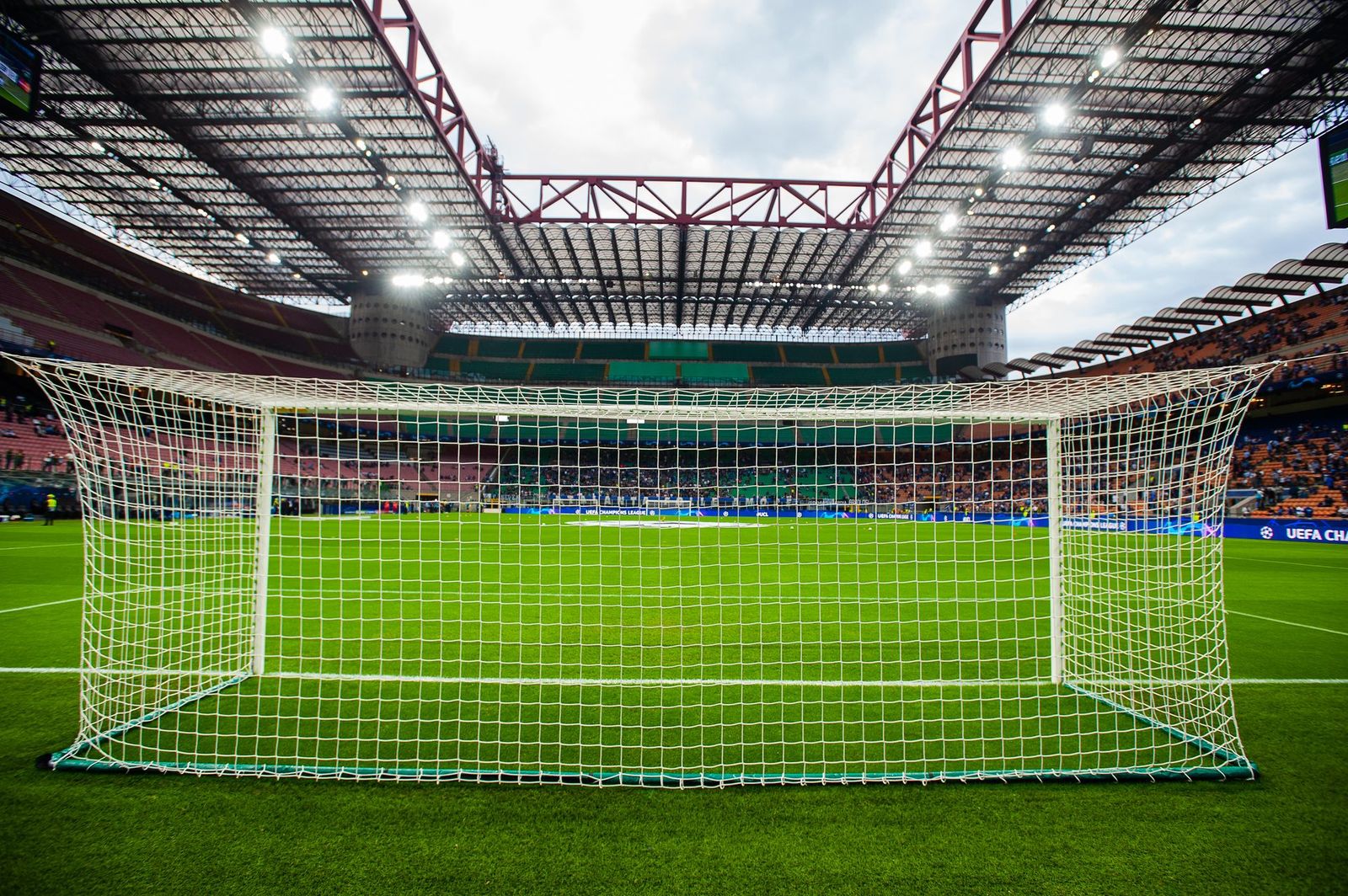
Dortmund feels like a city that turns toward the same place every other Saturday. The official name is Signal Iduna Park, but many locals still say Westfalenstadion, and that tells you something. This is not just a venue with a sponsor board on the roof. It is memory, routine, pride and noise packed into Germany’s largest football ground, with room for 81,365 people.
The Südtribüne alone holds 24,454 standing supporters. When the teams come out, it looks less like a section of a stadium and more like a living wall of yellow flags, scarves and open mouths. Former goalkeeper Roman Weidenfeller once described the Yellow Wall as something that can “crush” opponents, while feeling incredible behind you as a Dortmund player. From the other side of the pitch, you understand what he meant.
If you are weighing up football trips across the Bundesliga, Dortmund should sit high on the list because it gives you the German game in its most physical, communal form. For a first visit, a football trip with Borussia Dortmund is easy to understand but hard to forget. It also suits travellers looking for football trips with a special edge, where the city and club feel almost impossible to separate.
Pick the right game
The fixture shapes the whole trip. For raw Ruhr emotion, nothing carries more weight than Schalke 04. The Revierderby is rooted in local pride, old mining towns and families split by colour. It is often called the “mother of all derbies,” and even when league positions change, the feeling around it does not soften.
Then there is Bayern Munich. Der Klassiker is the Bundesliga fixture most people around the world recognise, built through years of title races, late goals and names such as Lewandowski, Reus and Müller. A night watching Dortmund against Bayern Munich has a sharper edge from the moment the city wakes up. The trains feel busier, the songs start earlier, and every small moment seems to carry more weight.
European evenings offer a different kind of theatre. Under the lights, the flags seem brighter, the tifos stretch higher, and the Yellow Wall Dortmund is at its most cinematic. If you are drawn to continental nights, Champions League football trips bring out that big-stage feeling. For a strong Bundesliga football trip with plenty of intensity, Dortmund against RB Leipzig is another fixture that usually carries speed, tension and a noisy build-up.
Follow the yellow route
The best way to feel Dortmund football culture is to slow down before the game. Start at Dortmund Hauptbahnhof and walk south through the Kreuzviertel, where the streets around Lindemannstraße and Kreuzstraße gradually fill with scarves and beer crates. You hear laughter outside corner bars, smell onions from grills, and see groups drifting in the same direction without needing a map.
Mit Schmackes, linked with Kevin Großkreutz, is a good stop if you want something local and lively. Bürgermeister Lindemann, which opens three hours before BVB home games, has that pre-game warmth where strangers compare journeys, line-ups and old memories over a glass of Brinkhoff’s No. 1. If you are travelling to Dortmund with BVB, this slow approach gives the day its rhythm.
From there, Strobelallee pulls everything together. Strobels fills up near the arena, BVB FanWelt glows with yellow shirts and last-minute scarves, and the old Stadion Rote Erde sits beside the main bowl like a reminder of where the story has come from. For a classic league weekend, Dortmund against Eintracht Frankfurt and Dortmund against Werder Bremen both give you that full walk-up without the pressure of the biggest rivalry dates.
Make planning feel easy
For simple Signal Iduna Park travel tips, start with transport. The U45 from Hauptbahnhof to Stadion is the quick choice, especially if rain is coming in from the Ruhr. But if the weather is kind, take the 30–40 minute walk via Kreuzviertel. It turns the journey into part of the day rather than just a way to arrive.
Try to be inside 20–30 minutes before kick-off. “You’ll Never Walk Alone” usually rises around 10 minutes before the game starts, and missing it would be like arriving at a concert after the opening chord. Once in your place, keep it simple: Stadionbratwurst, currywurst, pretzels, or the vegan bratwurst and vegan currywurst options now available around the concourses.
High-demand games against Bayern, Schalke or in Europe need earlier planning, especially if you want the trip to feel relaxed. Our packages combine flight, hotel and official football tickets, with a ticket guarantee, so the focus stays on the city, the build-up and the 90 minutes rather than access worries. For strong alternatives, Dortmund against Bayer Leverkusen, Dortmund against VfB Stuttgart and Dortmund against Borussia Mönchengladbach can still deliver a full black-and-yellow weekend.
In the end, a football trip to Dortmund is about more than seeing one of Europe’s loudest terraces. It is the walk from the station, the smoke in your coat, the sudden view of the pylons, and the moment the Südtribüne starts moving as one. Some cities host football. Dortmund hands it to you straight from the street.