
Portuguese Football Travel Guide: Stadiums, Culture & Tips
Portugal makes football feel close. One evening you are drifting through Lisbon on a packed metro with red or green scarves around you; the next you are breathing Atlantic air in Porto, eating something hot from a street grill, and watching floodlights rise above the roofs. This Portuguese football travel guide is for the dreaming phase: when you know you want a football trip to Portugal, but not yet whether it should be Lisbon intensity, Porto pride, Braga’s dramatic architecture, Madeira scenery, or Estoril’s calm by the coast. Since 2008, Football Travel has helped more than 50,000 travelers shape trips across Europe, and Portugal is one of those places where the full journey matters as much as the 90 minutes.
Portuguese football travel guide: choosing your trip
When should you travel?
The Portuguese season has a rhythm that rewards good timing. A regular Saturday can be warm, slow and easy: lunch on a terrace, a wander through tiled streets, then a late kick-off that turns the whole evening into a build-up. But rivalry weeks feel different. Benfica vs Sporting pulls Lisbon into two colours, while Benfica vs Porto is the national power clash that seems to travel far beyond the ground itself. In the north, Braga against Vitória Guimarães has a sharper local edge, with pride carried through families, cafés and train platforms.
If you want the biggest nights, start with the Primeira Liga calendar and look closely at the major dates. The best-known Portuguese derbies come with more demand, fuller streets and less room for improvisation. Benfica vs Sporting and Benfica vs Porto sit naturally alongside Europe’s great rivalry trips, the kind gathered in our clashes between giants.
Do not ignore the days around the fixture. Lisbon gives you the Benfica Museum and Sporting’s Alvalade 2.0 feel; Porto has a museum of around 8,000 square metres; Braga offers one of the most unusual football settings on the continent. A smart trip leaves space for those quieter hours when the stories sink in.
Which club suits you?
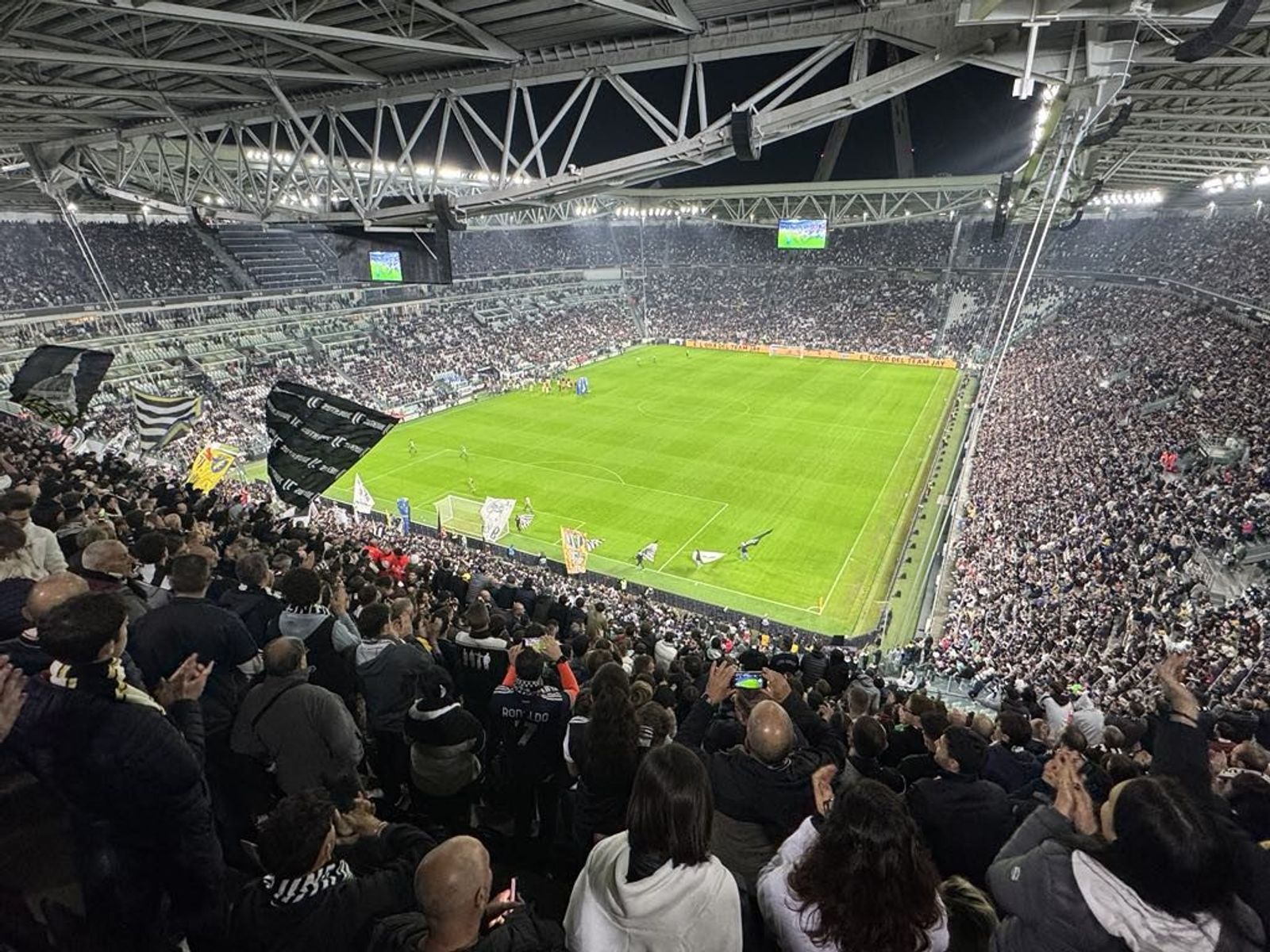
If you want scale, ritual and a sense of ceremony, Benfica at Estádio da Luz is the obvious pull. The ground holds 68,118 people, but the details are what stay with you: the Eusébio statue outside, red shirts moving through the concourses, and Águia Vitória circling before kick-off while phones rise into the air. It is grand, but still very Lisbon: loud, social, sunlit, and full of small pre-game habits.
For northern pride, FC Porto feels different. Estádio do Dragão sits right by the metro, and the arrival is clean and direct, but the emotion around the club is anything but polished. European Cup heritage, blue-and-white scarves, and the sense of a city that likes proving people wrong all come together here. A football trip to Porto pairs naturally with river views, steep streets and long meals that refuse to be rushed.
Lisbon’s other major choice is Sporting CP at Estádio José Alvalade, where the build-up around Campo Grande feels local and lived-in. If you prefer something less obvious, Braga offers the remarkable Estadio Municipal de Braga, carved into a granite quarry. Nacional play high above Funchal in Madeira, while Estoril Praia brings a softer coastal mood near Cascais. For unusual ideas, the selection of distinctive football destinations is a good place to compare the feel of each trip.
How the day unfolds
Portuguese matchday culture is built outside first. Around Benfica, the liveliest stretch is often near the roulotes by Colégio Militar/Luz or Alto dos Moinhos. Smoke hangs over the grills, bifanas and pregos are passed across counters, plastic cups collect on ledges, and the walk toward A Catedral starts long before the teams appear. Arrive early if you want to catch the eagle ritual; for a Big Three evening, give yourself even more time.
At Sporting, Campo Grande sets the tone. There are food trucks, green-and-white scarves, casual bars and that easy Lisbon habit of turning a pavement into a meeting point. The route into Alvalade is short, but it rarely feels rushed. In Porto, the day has its own weight: a francesinha in the afternoon, a Super Bock nearby, then the metro from Baixa or Aliados toward the ground. The stop beside the complex makes the last part almost effortless.
For a first stay in the capital, the wider football scene in Lisbon makes it easy to shape a weekend around two clubs, museums and neighbourhood walks. Up north, a football trip to Porto has a more compact feel, with everything pulled between the river, the centre and Dragão. If the calendar lines up, Portugal can also work well for multiple games in one journey.
Planning routes and seats
Lisbon is simple by metro. For Benfica, use Colégio Militar/Luz or Alto dos Moinhos, then follow the crowd. For Sporting, Campo Grande drops you close to Estádio José Alvalade. Porto is even more direct, with lines A, B and C stopping at Estádio do Dragão station right beside the arena. These are easy cities for visitors who want the buzz without complicated transfers.
Braga, Madeira and Estoril need a different mindset. In Braga, the walk from the old town to the quarry setting takes around 20 minutes and feels like part of the occasion. Nacional in the Choupana hills usually means a taxi or arranged transfer from Funchal. Estoril is relaxed, coastal and gentle, better suited to a slower Saturday than a huge rivalry night.
For high-demand fixtures, especially derbies and Big Three meetings, official access matters. Our packages combine flight, hotel and official match ticket, and the ticket guarantee gives extra security when planning from abroad. It is also worth checking museum and stadium visit restrictions around UEFA dates and game days; the travel questions we answer most often can help you think through the practical details.
Choose Portugal by mood as much as by club. Lisbon is colour and movement. Porto is pride and appetite. Braga is stone, drama and a view you will talk about afterwards. Madeira adds height and sea air, while Estoril lets the coast soften the whole weekend. However you shape it, the best route is the one that lets the city spill naturally into the game.