
Guide to the Most Premier League Titles: Football Destinations
The best football trips in England begin long before the whistle. They start on a tram rolling through Manchester, with red scarves drifting toward Old Trafford and “Blue Moon” rising around the Etihad Stadium. They live in the walk under the railway bridge at Stamford Bridge, in the north London crowds spilling out near the Emirates Stadium, and in that deep roar at Anfield when “You’ll Never Walk Alone” rolls across the Kop. This guide is not only about who has the most Premier League titles. It is about which city, ground, rivalry, food stop and pre-game ritual feels right for you.
At Football Travel, we have helped more than 50,000 travelers build football trips since 2008, from first-time visitors to lifelong supporters. The factual base is clear: through the completed 2024/25 season, Manchester United lead the Premier League title ranking with 13. But the richer question is where you want to feel English football under your feet.
Pick your title story
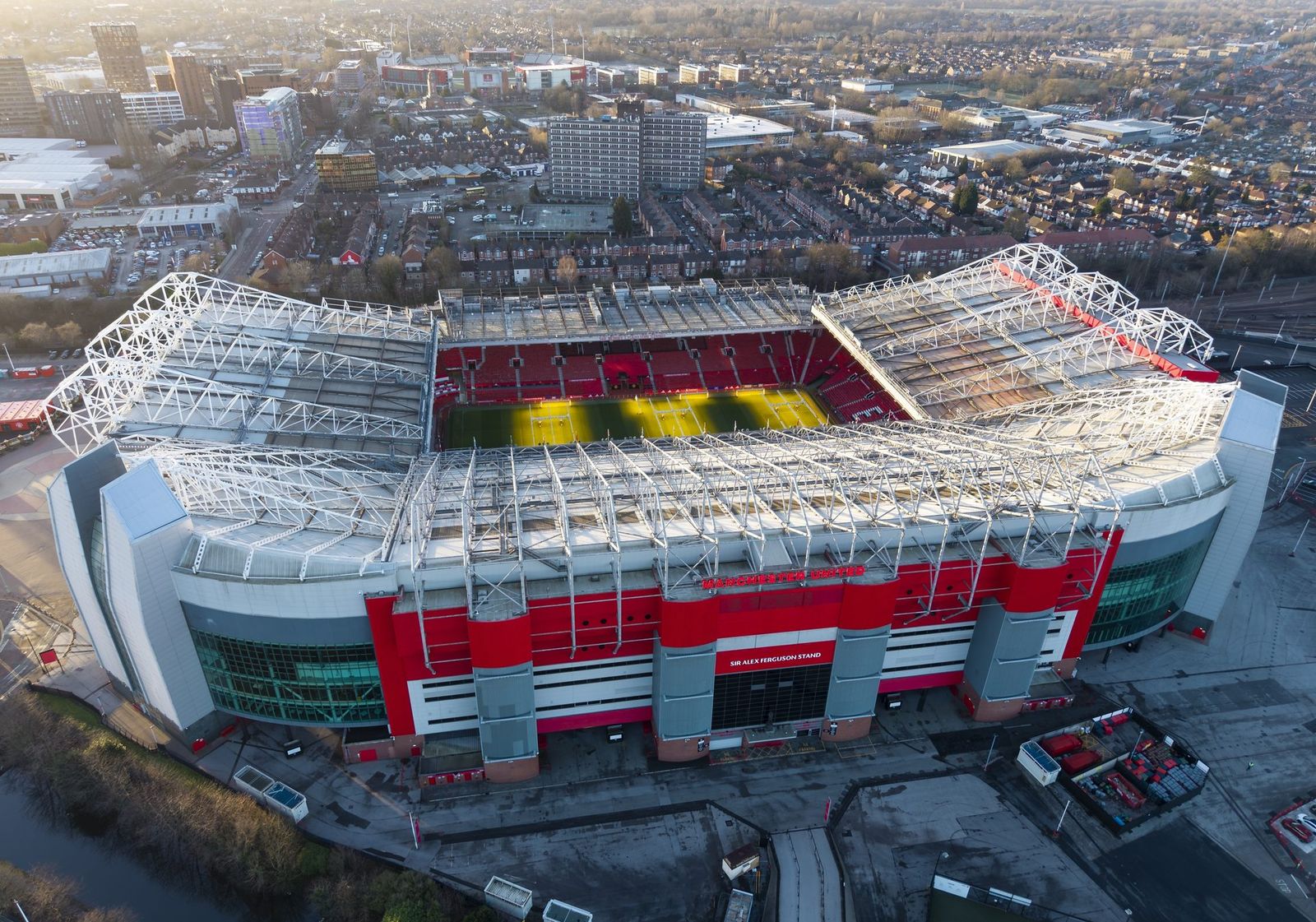
If you want the story with the most Premier League titles, start with Manchester United. All 13 came under Sir Alex Ferguson, and that era still hangs around Old Trafford like a song everyone knows by heart. You walk along Sir Matt Busby Way, past statues and red-brick walls, with programme sellers calling out and cameras pointed toward the “Theatre of Dreams”. Inside the museum, the medals and old shirts help explain why this place pulls in fans from every corner of the world.
Across town, Manchester City tell a very different title tale. Their eight Premier League crowns include four in a row from 2020/21 to 2023/24, and the Etihad Campus feels like a district still being shaped. Wide concourses, light blue shirts, families arriving from the tram stop, and “Blue Moon” before the game create a cleaner, newer rhythm than the old terraces many people imagine when they think of England.
Then there is the contrast between north London and Merseyside. Arsenal carry the memory of Highbury into the Emirates Stadium, with the Invincibles still part of every conversation around the club. Liverpool FC, meanwhile, bring heavier emotion. Their 2019/20 crown ended a 30-year league wait, and Anfield Stadium still feels like a place where history is not kept behind glass, but sung out loud.
Time the trip right
Timing changes everything. Early season has mild evenings, open tables in bars and that fresh sense that anything might happen. Spring is sharper. The air around the Premier League tightens when titles, Europe and relegation are on the line, and demand grows around the bigger games.
A Manchester derby is the city split in two colours. One line of the Metrolink can carry you toward Old Trafford; another points east to the Etihad. Around Manchester, the old Ferguson-era memories and City’s recent run sit side by side in cafés, hotel lobbies and late-night takeaways. Arrive earlier for these fixtures. Streets fill quickly, nearby bars can become packed, and transport feels busier hours before kick-off.
In London, Arsenal against Chelsea gives you a different kind of day. The Tube carries fans from north to west, from the red-and-white flow around Holloway Road to the compact streets of Fulham. On Merseyside, Anfield and Goodison Park sit across Stanley Park from one another, with Liverpool’s Premier League champions story on one side and Everton’s deep football roots on the other. The Merseyside Derby is close, loud and full of family loyalties.
Feel the day before kickoff
The best advice is simple: do not rush straight to your seat. At Old Trafford, walk from Trafford Bar and let the day build. There is smoke from burger stalls, the smell of onions, police horses moving calmly through the crowd, and songs about Cantona, Rooney and Ferguson rolling between groups of friends. A pie, chips with gravy or curry sauce, and a pint nearby can tell you as much about the local ritual as any trophy cabinet.
At Chelsea, Fulham Road has its own rhythm. The Butcher’s Hook stands across from Stamford Bridge, a small but important marker of where the club’s founding story began when the place was still called the Rising Sun. It is a tight, urban setting, with cafés, corner shops and supporters weaving through west London rather than gathering around a vast open plaza.
For Anfield, give yourself time for the quieter moments too. The Hillsborough memorial area asks for respect. The “This Is Anfield” sign is part of the theatre, but the true shiver arrives just before the game, when the Kop lifts the song and strangers suddenly feel connected. Nearby, you might find scouse in the city earlier in the day, then chippy queues and neighbourhood bars around Walton Breck Road as the evening closes in.
Plan routes and secure seats
England is easier to navigate than many first-time visitors expect. In Manchester, take the Metrolink to Old Trafford for United or Etihad Campus for City; walking from Piccadilly toward the east side is possible if you like seeing the city change street by street. In London, Fulham Broadway is the natural stop for Stamford Bridge stadium, while Arsenal station puts you close to the Emirates. Finsbury Park and Highbury & Islington are useful alternatives when the platforms get crowded.
In Liverpool, the 917 express bus runs from Commutation Row near Lime Street toward Anfield, while the Soccerbus from Sandhills is another common route. If you want to understand the city’s football geography, the walk across Stanley Park between Anfield and Everton is short, simple and full of feeling, especially with Goodison Park Stadium so close.
For rivalry weekends and spring fixtures, official access matters. A package football trip with flights, hotel and an official match ticket keeps the planning clear, and our ticket guarantee adds reassurance when choosing a big English weekend. If you can, combine the game with a visit behind the scenes: the Old Trafford Museum, Manchester City Stadium Tour, Chelsea FC Museum, Arsenal Museum, or the Anfield tour and museum all add texture to the story you came to feel.