
Football Travel and Sightseeing Guide
You know the feeling before a football weekend away. A bag by the door, a scarf folded into the side pocket, the first glimpse of a new neighbourhood from a train window. Somewhere near the ground, onions hit a grill, glasses clink outside a bar, and the streets begin to change colour. The game is the emotional centrepiece, of course, but the best trips are never only about ninety minutes. They are about the route you take, the food you find, the song that starts before you expected it, and the city that stays with you afterwards. That is the real beauty of football travel and sightseeing.
Since 2008, Football Travel has helped more than 50,000 travellers shape weekends around European football. For us, a football trip works best when the basics feel secure and the rest is left open enough for discovery. A package with flight, hotel and official match ticket gives you a frame; our ticket guarantee gives peace of mind. Then the city does the rest.
When the city comes alive
The best time for a football trip depends on the rhythm of the place. In Spain, the day often stretches late. Around FC Barcelona, the streets of Les Corts fill slowly: small beers on terraces, bocadillos wrapped in paper, plates of patatas bravas passed across narrow tables. With the Spotify Camp Nou redevelopment and phased reopening, there is also that rare feeling of seeing a famous venue in transition, before the next version becomes familiar.
Madrid has its own pulse. Near Paseo de la Castellana, people drift between tapas bars before heading toward the Bernabéu, stopping for one more small plate because there is always time for one more. A visit to Real Madrid feels polished and urban, tied into the grand avenues, late dinners and bright city lights.
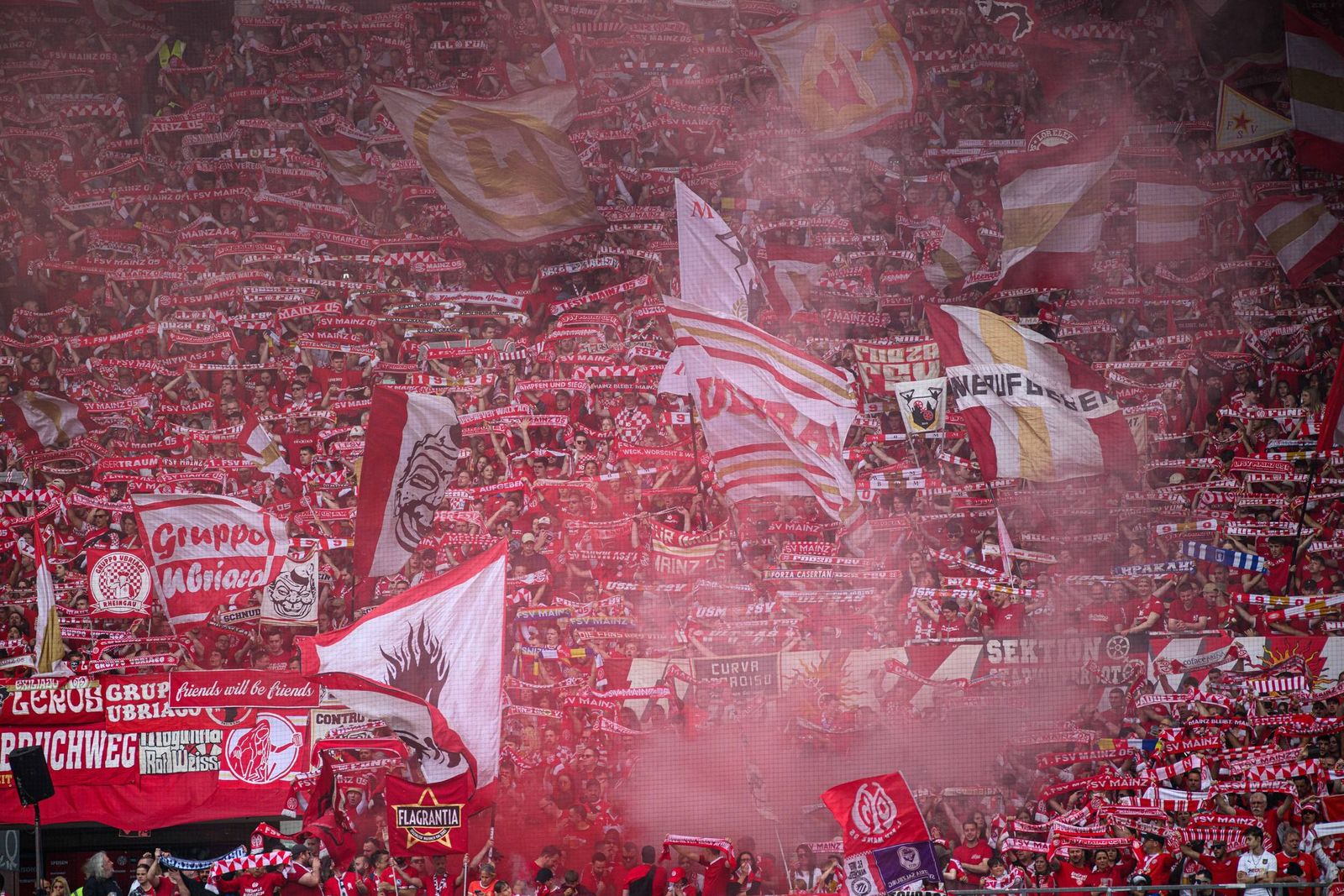
Germany starts earlier and louder. In Dortmund, the build-up can feel like a moving river of black and yellow. From Alter Markt toward Strobelallee, supporters walk together with beer, bratwurst and that low pre-game roar that seems to come from the pavement itself. If you want a football weekend with deep terrace culture, Borussia Dortmund is less a glossy escape and more a pilgrimage.
Some journeys also carry a “go before it changes” edge. San Siro is in a turning-point era, still vast and concrete and theatrical when AC Milan play under the lights. In Manchester, the Etihad is expanding into a wider football campus, making a visit to Manchester City feel connected to what the next generation of English grounds might become.
Find your kind of club
Choosing where to go is really choosing a mood. If you want emotion, red-brick streets and a song that rolls around the ground before kick-off, Liverpool FC is hard to ignore. Around Anfield, murals appear on gable walls, scarves lift above heads, and the Spion Kop still feels like the heart of the place.
If you prefer scale and shine, Madrid gives you a different kind of football culture. The Santiago Bernabéu is not only for the evening of the game; it works as a year-round attraction, with a club store, restaurants and a stadium visit woven into a wider city break. It suits travellers who like their football with museums, boulevards and a good dinner after midnight.
London, meanwhile, lets you compare styles in one city. The Tottenham Hotspur Stadium has a fresh energy, from the South Stand to the Dare Skywalk and food-hall-style concourses that smell of spice, smoke and fried dough. A trip to Tottenham Hotspur feels different from an afternoon around Arsenal or Chelsea, which is exactly why the capital works so well for repeat visitors.
Follow the local rituals
The strongest memories often happen before the whistle. In Liverpool, people gather around The Sandon on Oakfield Road, The Arkles and Walton Breck Road. There are pints, pies, chips in trays, and the first notes of “You’ll Never Walk Alone” travelling from one group to another before the players even appear.
In Milan, take the M5 to San Siro Stadio and let the crowd pull you along. Food trucks line the approaches, scarf sellers call out colours, and the smell of grilled panino con la salamella hangs near the concrete ramps. When Inter meet Milan, the Derby della Madonnina connects the Duomo, the neighbourhood bars and a divided city in one tense, beautiful thread.
Spain is less about one fixed fan bar and more about grazing through the evening. Around Camp Nou, Travessera de les Corts keeps the local routine alive, while near the Bernabéu, Plaza de Lima and Calle Padre Damián are good places to feel the city shifting toward the game. This is where football travel and sightseeing blend naturally: one street for food, another for history, another for the walk to the floodlights.
Plan without losing the magic
A little structure makes the weekend easier. Fixture dates can move, kick-off times may change, and local transport is always worth checking before you travel. In Madrid, the Santiago Bernabéu sits on Metro Line 10. In Milan, the M5 takes you straight to San Siro Stadio. In Manchester, the Metrolink links the centre with Old Trafford and Etihad Campus, making it simple to combine Manchester United, City and the National Football Museum in one football city break.
Do not feel you need to sleep beside the ground. Often, a central base with good transport gives you better evenings, easier meals and more room to wander. In Barcelona, pair the Barça Immersive Tour with Gaudí, beach time and late plates in the neighbourhood. In London, the walk along Tottenham High Road from Seven Sisters, Tottenham Hale, White Hart Lane or Northumberland Park is part of the day itself, while areas around Arsenal and Chelsea add completely different city textures.
The trick is to leave space. Space for the bar you did not plan to enter, the mural you only noticed on the way back, the museum that turns into a two-hour detour. A good football trip has an anchor, but it should still breathe. That is when the songs, streets and flavours start to feel like your own story.