
Anfield Capacity Guide: What Travelers Should Know
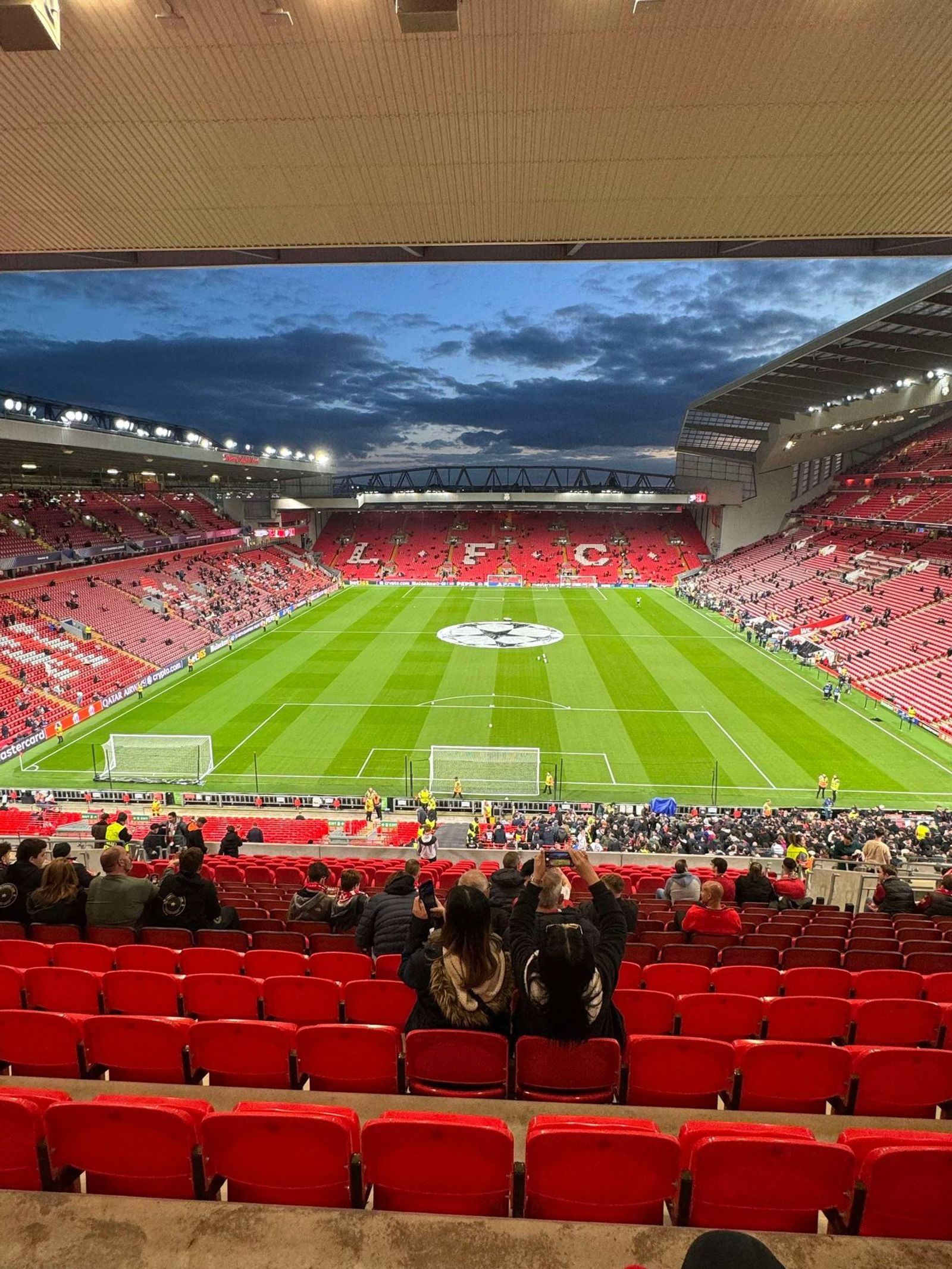
A football trip to Liverpool begins long before the turnstiles. It starts with red shirts moving along Oakfield Road, the smell of warm pastry outside Homebaked Bakery, songs leaking from The Sandon, and painted faces of club heroes watching from Sybil Road. Then Anfield Stadium appears above the terraced streets, close enough to feel part of the neighbourhood rather than separate from it. The Anfield capacity is 61,276, but the magic is that the ground still feels wrapped tightly in local life.
Since 2008, we have helped more than 50,000 travellers plan football trips, and we know there is a big difference between simply attending a game and building a whole weekend around it. A Liverpool FC football trip is one of the strongest choices in England if you want noise, memory, local food and city culture in the same journey.
Pick the right football weekend
The first question is not only when Liverpool FC play, but what kind of mood you want. A regular Premier League Saturday can be perfect for a first visit. The streets are busy, the ground fills early, and the full 61,276 crowd gives you the scale without the sharper edge of a rivalry. If you are shaping a wider Liverpool FC trip, those weekends leave room for the waterfront, Bold Street, the Baltic Triangle and a slow Sunday in the city.
A European night at Anfield feels different. The floodlights come on, scarves rise, and “You’ll Never Walk Alone” seems to hang in the air before the ball has even moved. Rivalry weekends ask for earlier planning. The Merseyside derby brings Everton across Stanley Park, while Liverpool vs Manchester United adds tension across the whole day. These are brilliant occasions, but they suit travellers who are happy with crowds, demand and a faster pulse.
Choose a club with feeling
There are many ways to build the best football trip in England. London gives you big-city sightseeing around Arsenal or Tottenham, with museums, markets and late trains across the capital. Manchester has its own rhythm, where music history, old warehouses and football sit close together. You can compare routes through the Premier League, or shape a broader piece of English football travel through Liverpool if the city pulls you in.
Anfield is the emotional, neighbourhood-based choice. The Kop holds 12,850 and still carries the look and sound of an old single-tier end. Around it, the Main Stand, Sir Kenny Dalglish Stand and Anfield Road end show how the ground has expanded without drifting away from its streets. There is even a twist many first-time visitors miss: Everton once played here before Liverpool FC existed, which makes the short walk through Stanley Park towards Everton feel like part of the city’s story, not just a map detail.
If you want a different flavour, Arsenal and Tottenham Hotspur pair the game with London’s endless movement, while Manchester City offers a strong northern weekend with galleries, bars and industrial heritage close by. Liverpool, though, keeps pulling people back because the build-up feels human-sized, even with the Anfield capacity giving it such scale.
Feel the day around Anfield
Start around Oakfield Road. The Sandon is tied to the club’s birthplace story, and on big days the songs begin there long before kick-off. Nearby, Homebaked Bakery serves local pies from a corner that feels more community meeting point than pre-game stop. From there, drift rather than rush. The short walk towards the ground is part of the ritual.
Sybil Road and the nearby streets are worth your time. Murals of Trent Alexander-Arnold, Jordan Henderson, Ray Clemence, the 1965 FA Cup tribute and Anne Williams turn brick walls into memory. The Hillsborough Memorial in the Main Stand public realm deserves quiet reflection; it is not a selfie stop. These are residential streets too, so keep doorways clear, give local businesses space, and let the area breathe.
Stanley Park is a calmer pocket before the crowds tighten. It also helps you understand the geography between red and blue Liverpool. When you do go in, aim to be in your place 15 to 20 minutes before kick-off. Gerry Marsden’s voice comes over the speakers, scarves lift across the ground, and “You’ll Never Walk Alone” turns from a song into something shared. For some travellers, that moment alone explains why a cup game in England or a league Saturday here can stay with you for years.
Plan travel and secure access
Getting there is straightforward if you move early. From the city centre, the 917 express leaves from Commutation Row near Lime Street. The Soccerbus runs from Sandhills, and local routes also leave from Liverpool ONE and Queen Square. Driving close to the ground is rarely worth it, with residential restrictions, congestion and slow movement after full-time. If you want the full build-up, arrive several hours ahead; if the anthem matters, be inside well before the teams come out.
For first-time travellers, secure access matters as much as timing. Official routes give peace of mind, and Football Travel’s ticket guarantee adds another layer of security, especially for derby weekends, Manchester United games and late-season fixtures. With package trips that combine flight, hotel and official match ticket, the practical side becomes quieter, leaving more space for the city and the day itself.
After the final whistle, do not plan to vanish instantly. Buses and taxis queue, songs continue in pockets, and the Soccerbus runs for up to 90 minutes after the game. The Anfield capacity 61,276 means patience is part of the rhythm. Build that into the evening, maybe with food back in town, and your football trip to Liverpool becomes more than 90 minutes. It becomes a weekend of streets, voices, history and one of the most recognisable grounds in the game.